

 Featured
News
Addressing the Material Availability Crisis with SketchDeck 3.0
Material availability has become the biggest constraint for many structural steel fabricators and erectors. Here's how we rebuilt SketchDeck to help.
Blog
Steel estimating guides, product updates, and company news from the SketchDeck.ai team.

Meet us at FABTECH and get a first look at our totally redesigned SketchDeck 3.0.

When we started SketchDeck.ai, the goal was simple: take the most tedious part of a steel estimator's day and give those hours back. Hundreds of estimators later, SketchDeck is doing exactly that. Our customers are turning around bids faster, staying consistent across estimators, and winning work they wouldn't have had time to chase before.

Revisions have been the number-one request from our customers for over a year. Today, we're shipping the feature that addresses them.
Takeoff technique, QA/QC, and estimating workflow guides.

The gap between what estimators count and what shops build is structural: design drawings do not carry fabrication-level detail, and detailing adds scope the bid set never showed. Here is the five-step reconciliation cycle that turns those variances into calibration data, so every project closed makes the next bid sharper.
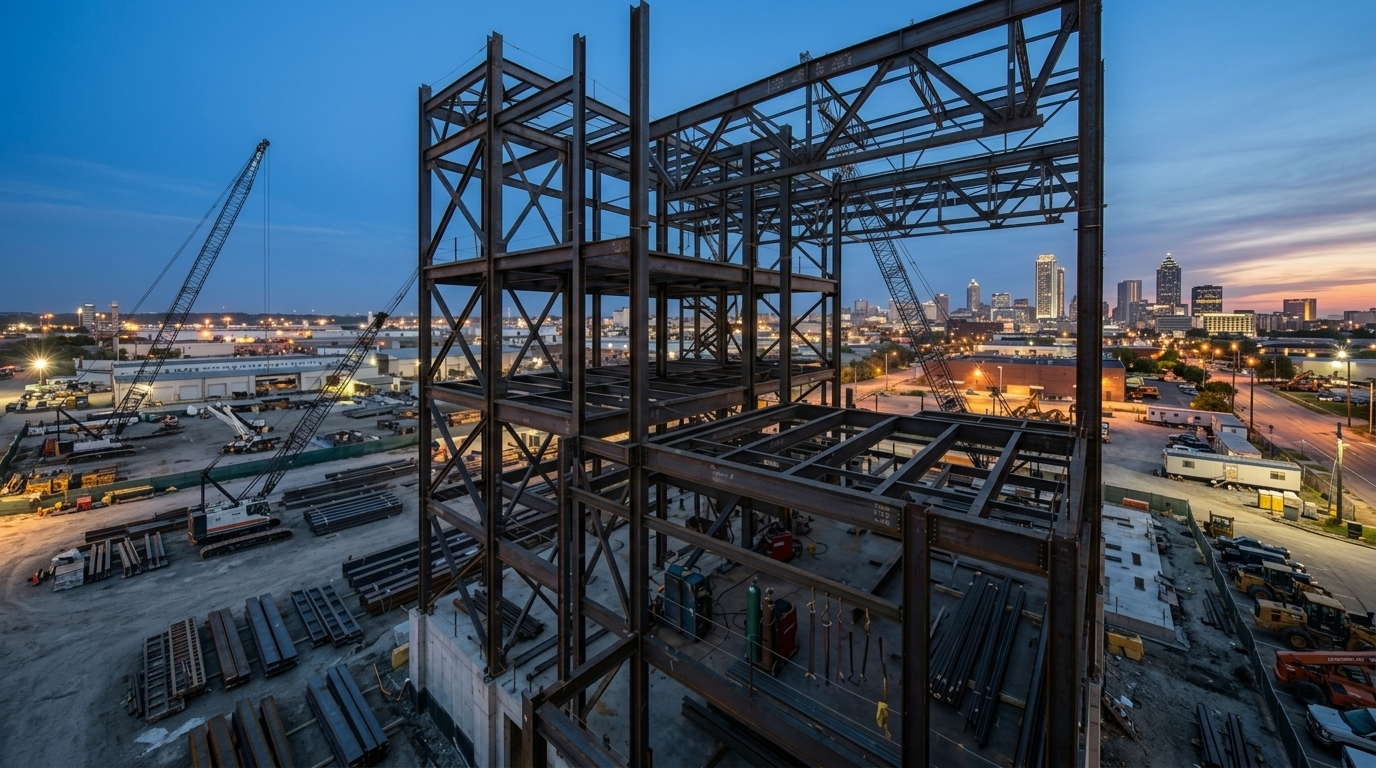
Connections carry a disproportionate share of fabrication labor cost and drive most estimating errors that reach the field. Here are the seven recurring error patterns, the six disciplines that catch each one at the takeoff stage, and how AI tooling supports the review work without replacing the estimator judgment that connection scope fundamentally requires.

Incomplete drawings are one of the persistent realities of steel estimating. The question is not whether ambiguities will show up. The question is what discipline the estimating department applies when they do. Here is the systematic framework for turning ambiguity management from reactive firefighting into proactive risk management.
How AI reads drawings, where it fails, and how teams adopt it.
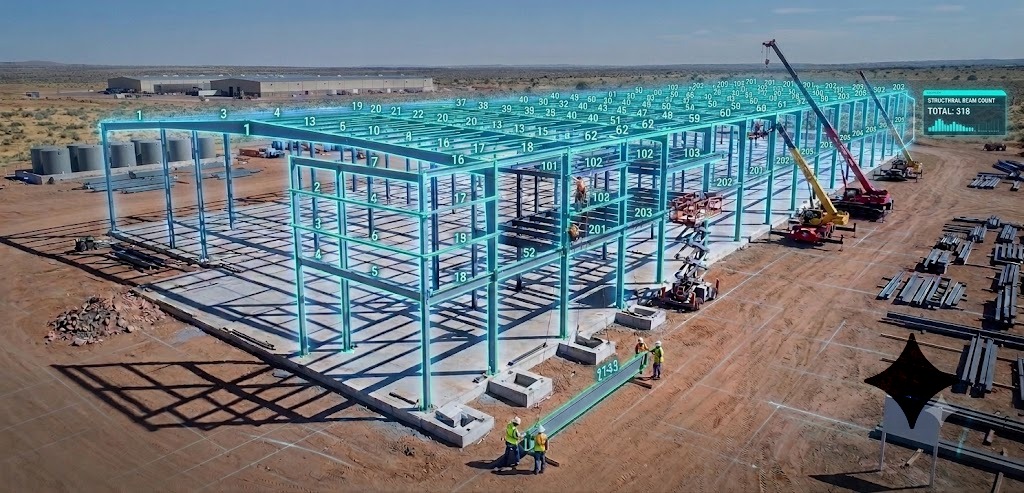
Gartner predicts 30% of AI projects get abandoned after the proof of concept. A disciplined 90-day pilot is the cheapest way to make sure you do not end up in that statistic. Here is the three-phase framework, the metrics that matter, and the week-by-week playbook for proving value before you scale.

The most dangerous AI error is the polished output that looks complete and is quietly wrong. Here's where AI fails in steel takeoff, why those errors are easier to miss than manual ones, and the QC checklist that catches them before they reach the bid.

Your drawings, your margins, and your customers' designs are the most sensitive data in the shop, and "is AI safe for it" has a real answer. Here is what NIST and SOC 2 actually require, the IP risks specific to AI tools, and the questions to ask any vendor, including us, before uploading a single drawing.
Product releases, Did You Know tips, and demos.
 Video
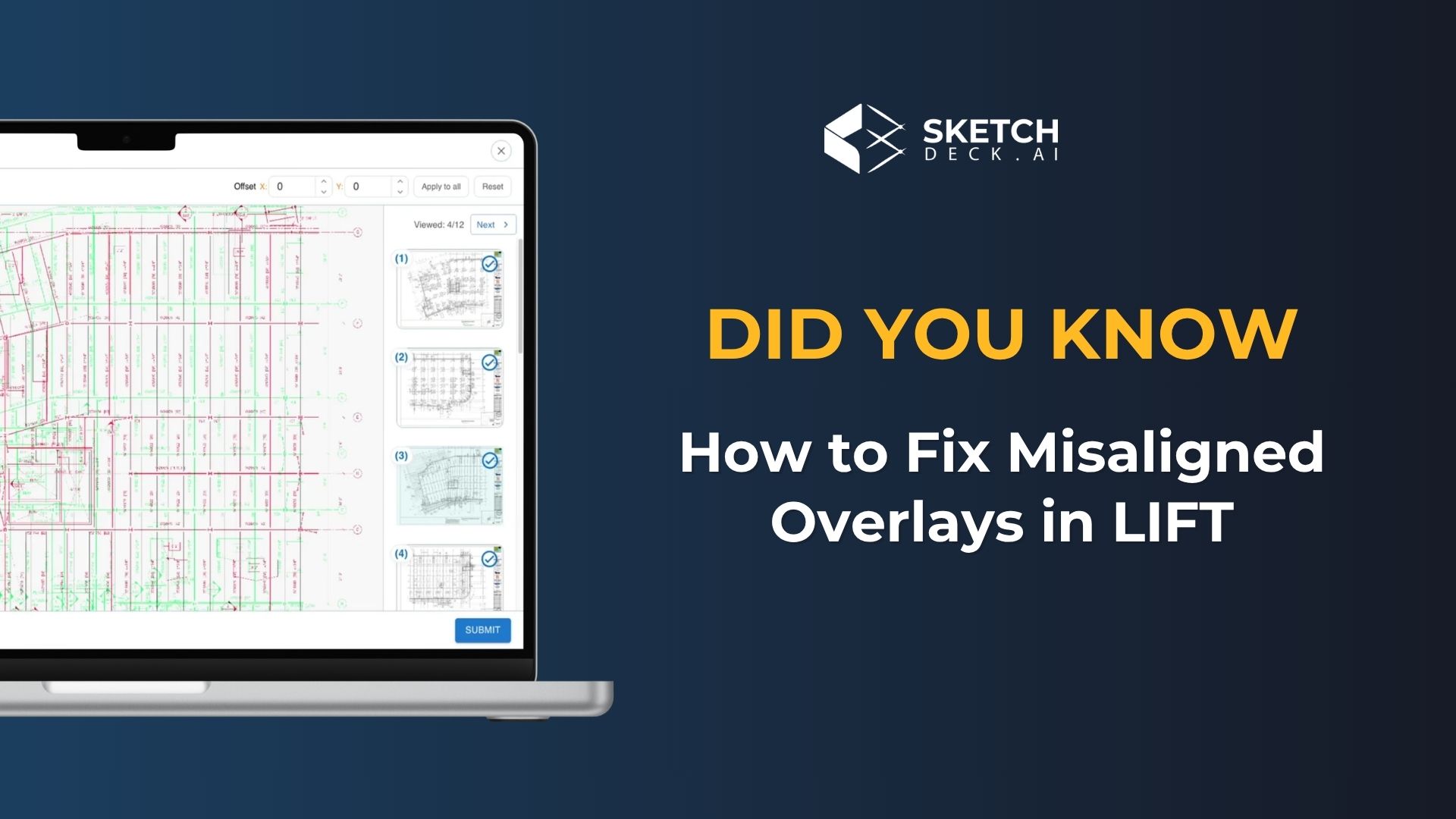
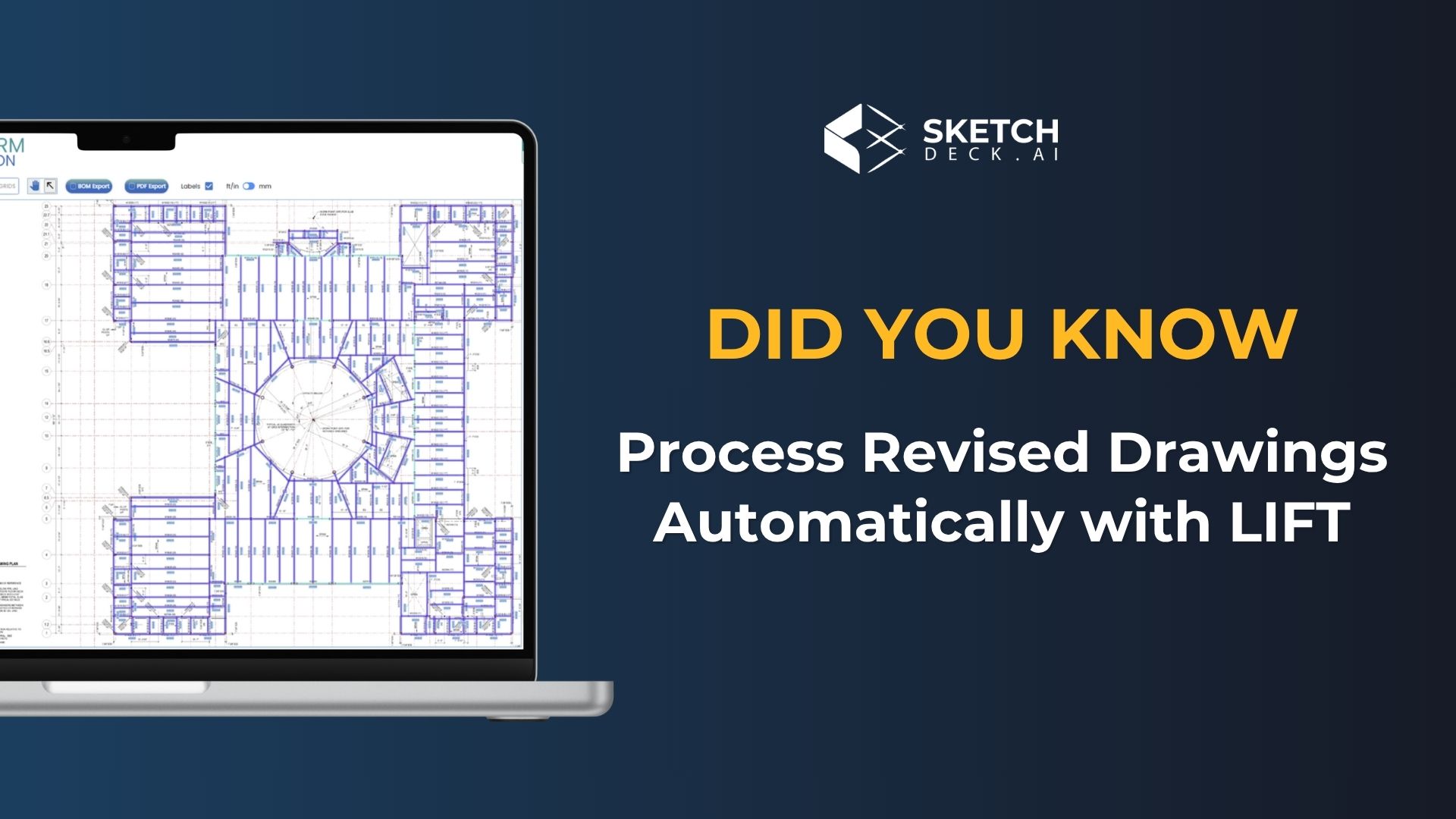
SketchDeck now lets you click and drag a revised drawing back into alignment with the original. When engineers shift the drawing position between revisions, the fix takes seconds.
 Video
Upload a revised drawing set and SketchDeck compares it against your finished takeoff. Every member gets marked as changed, added, or removed, with a hover summary showing exactly what moved on each one. Here is the full walkthrough plus the audit trail you can hand to your GC.
 Video
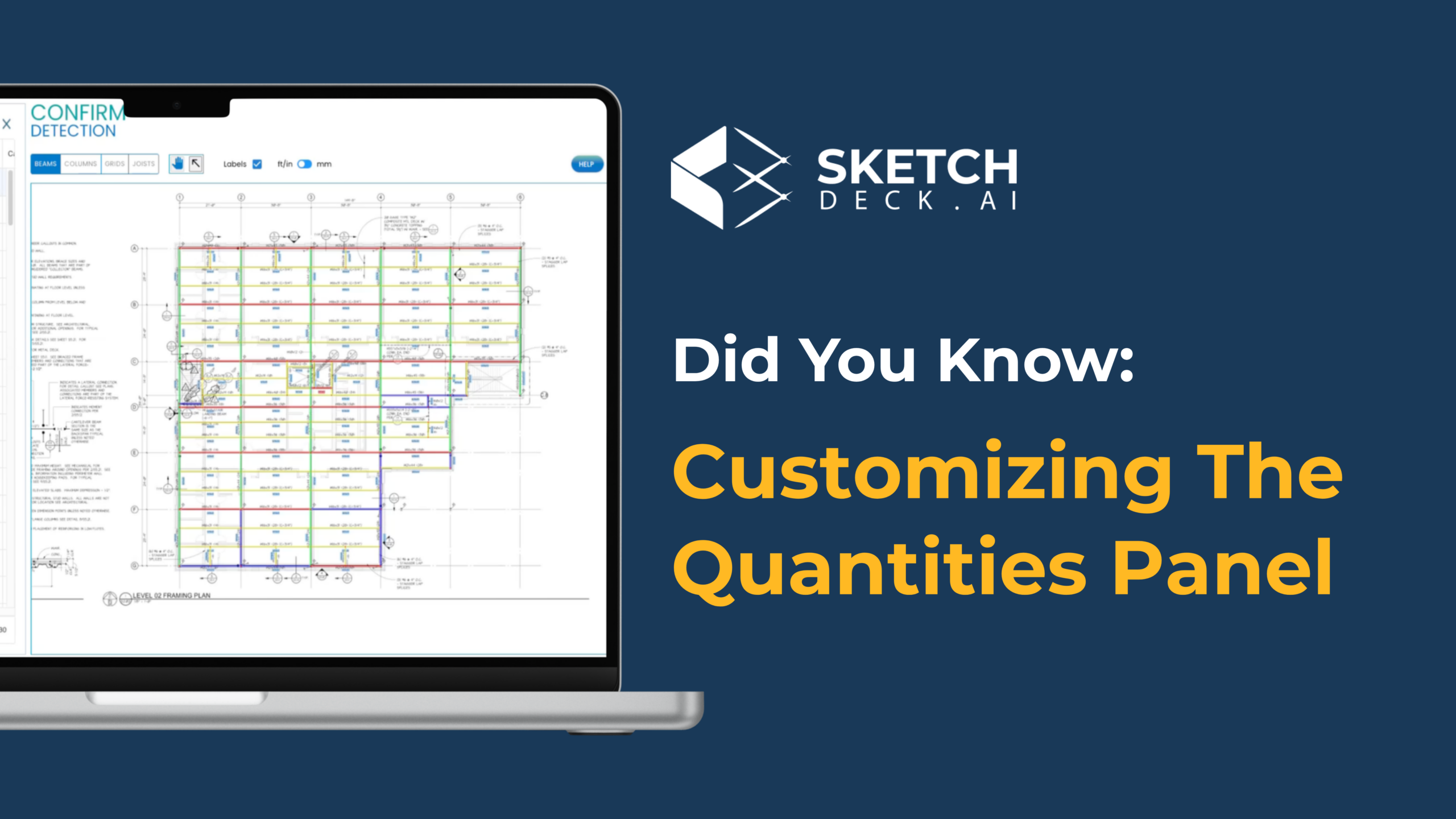
The Quantities Panel is where all your member data lives during a takeoff. By default it shows what SketchDeck detects automatically, but you can add custom fields, set defaults to skip repetitive entry, build dropdowns for consistent data, and apply automations that fill values based on rules. Here is the full walkthrough.
Capacity, bidding strategy, and the economics of estimating.
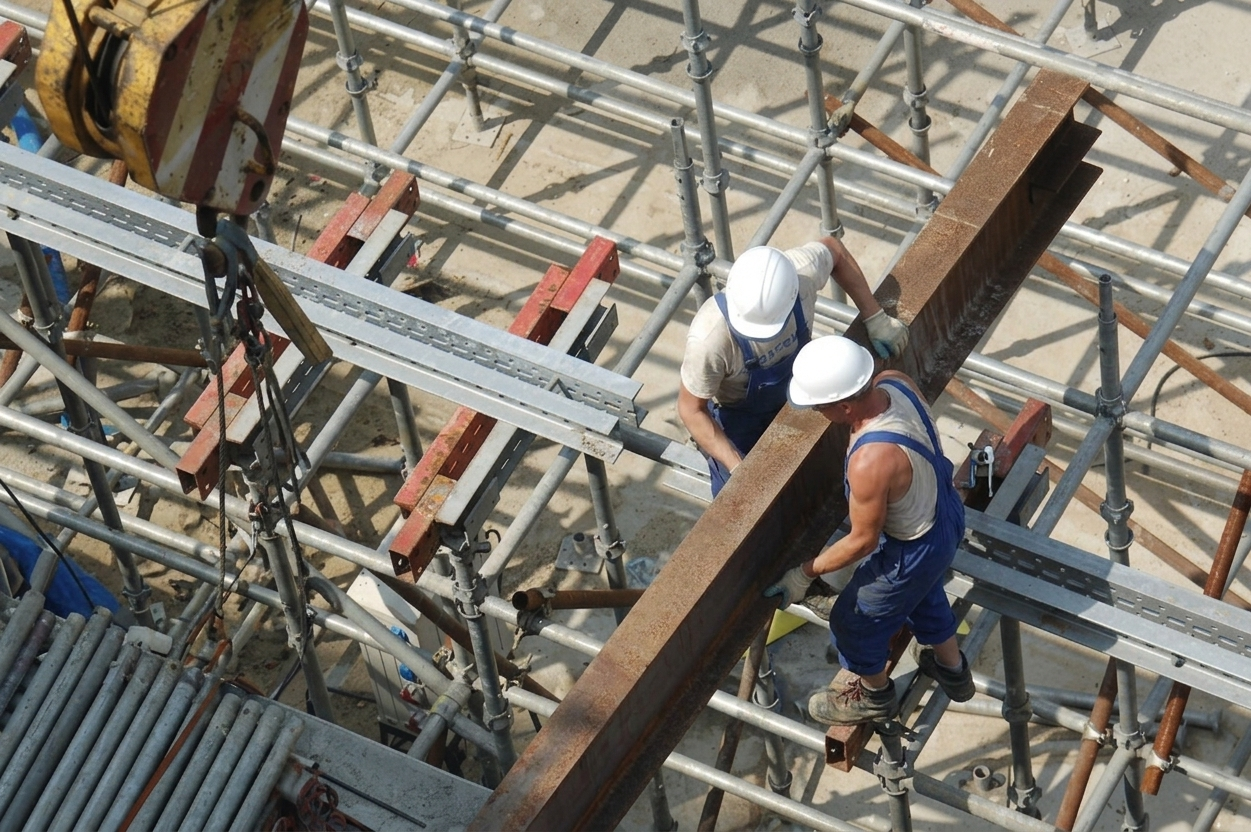
Two RFPs land at the same time. One promises bigger revenue, the other faster cash. Most estimators treat this as a choice between projects. The shops winning consistently treat it as a capacity problem with a structured answer. Here is the 2x2 priority framework, the 5-minute evaluation process, and how AI changes the underlying math when both bids could be won.
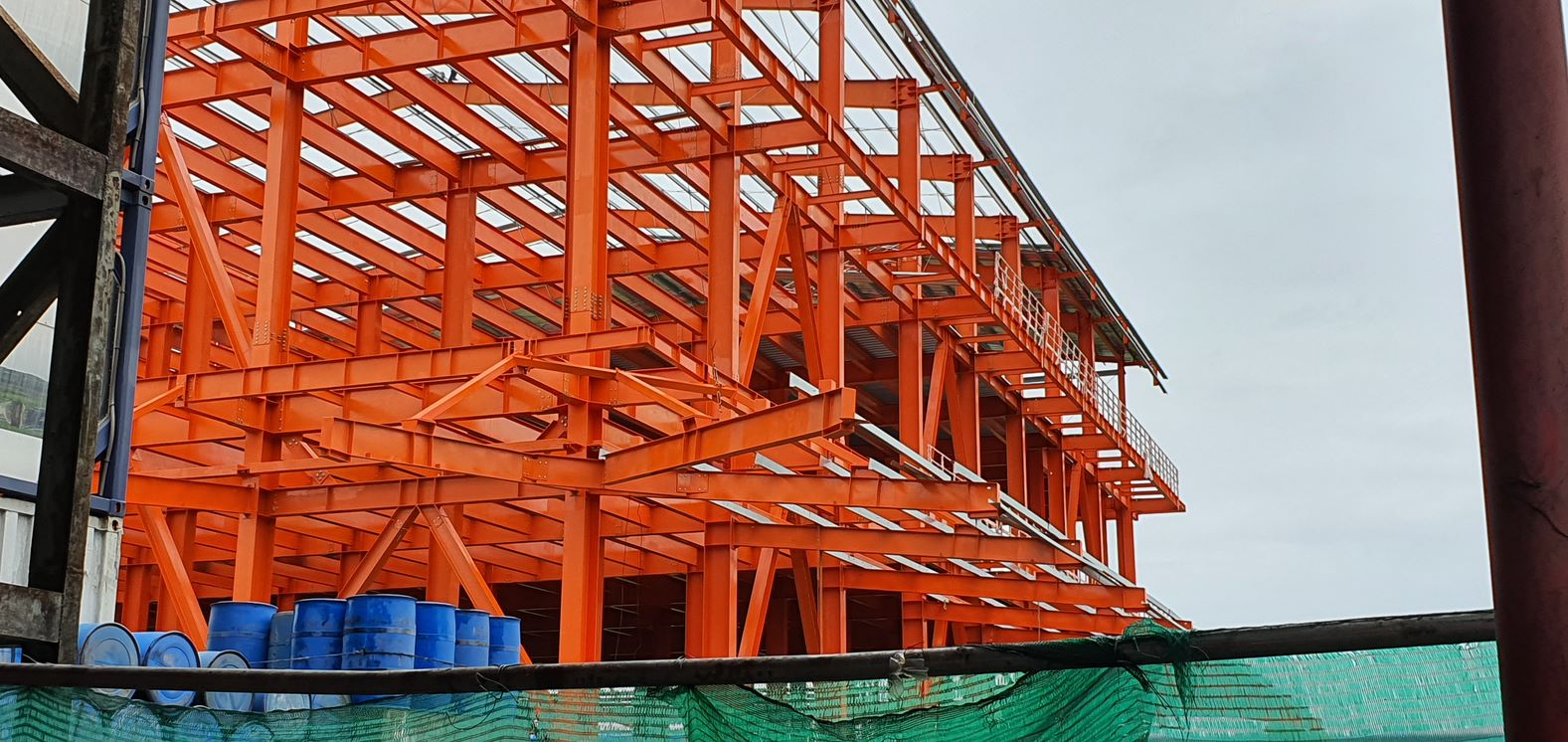
The estimators you need to hire are aging out faster than they are being replaced. The shops that solve the capacity problem treat it as a tooling problem, not a hiring problem. Here is how MotionSteel doubled monthly bids, Maccabee reclaimed days from large takeoffs, and MSE got back a full work week per estimator, all without adding headcount.

The cheapest line item in your estimating budget might be the most expensive part of your business. Here's where manual takeoff actually costs you: in labor hours, rework, lost bids, and estimator burnout, and what the math looks like when AI takes over the counting.
Funding, press, events, and company announcements.

We’ve been listening. The features our customers have asked for most are coming to SketchDeck, and NASCC is where you’ll see them first. We’re not ready to share all the details yet, but if you’ve ever wished SketchDeck could do more with revisions and addenda, you’ll want to stop by.
Check out our recent feature in Modern Steel Construction's Hot Products lineup for 2025.
SketchDeck.ai Featured in The Fabricator: Driving AI Innovation in Structural Steel We're thrilled to announce that our Head of Product, Grayson Ingram, was recently featured in The Fabricator magazine's coverage of NASCC 2025: The Steel Conference in Louisville, Kentucky.
Material availability has become the biggest constraint for many structural steel fabricators and erectors. Here's how we rebuilt SketchDeck to help.
Meet us at FABTECH and get a first look at our totally redesigned SketchDeck 3.0.
The gap between what estimators count and what shops build is structural: design drawings do not carry fabrication-level detail, and detailing adds scope the bid set never showed. Here is the five-step reconciliation cycle that turns those variances into calibration data, so every project closed makes the next bid sharper.
Connections carry a disproportionate share of fabrication labor cost and drive most estimating errors that reach the field. Here are the seven recurring error patterns, the six disciplines that catch each one at the takeoff stage, and how AI tooling supports the review work without replacing the estimator judgment that connection scope fundamentally requires.
Incomplete drawings are one of the persistent realities of steel estimating. The question is not whether ambiguities will show up. The question is what discipline the estimating department applies when they do. Here is the systematic framework for turning ambiguity management from reactive firefighting into proactive risk management.
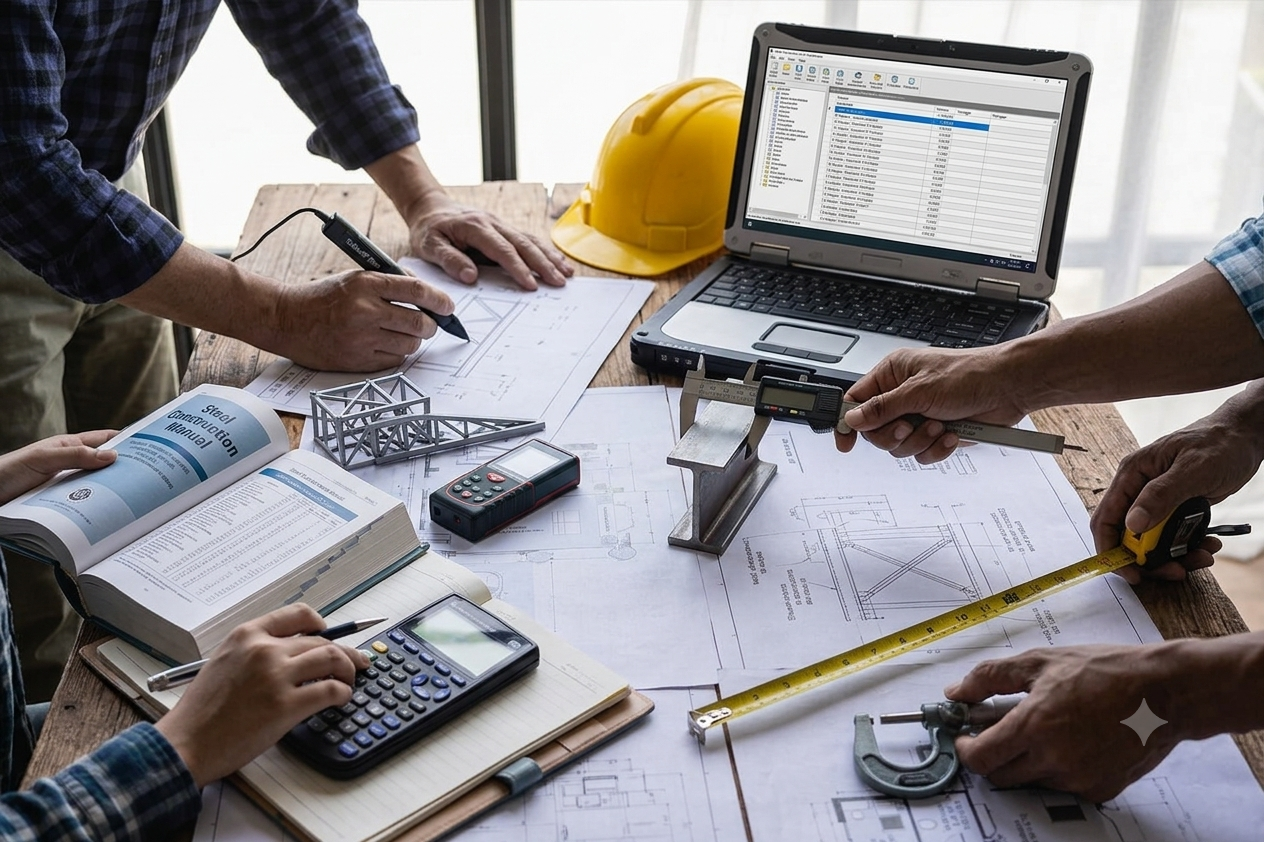
Winning steel bids is not about being the lowest number. It is about delivering numbers clients trust. Here is how takeoff accuracy translates directly into win rate and margin, the five mechanisms where precision creates pricing confidence, and the five-step playbook for making accuracy a repeatable system rather than a heroic effort.
65 articles
Material availability has become the biggest constraint for many structural steel fabricators and erectors. Here's how we rebuilt SketchDeck to help.
Meet us at FABTECH and get a first look at our totally redesigned SketchDeck 3.0.
The gap between what estimators count and what shops build is structural: design drawings do not carry fabrication-level detail, and detailing adds scope the bid set never showed. Here is the five-step reconciliation cycle that turns those variances into calibration data, so every project closed makes the next bid sharper.
Connections carry a disproportionate share of fabrication labor cost and drive most estimating errors that reach the field. Here are the seven recurring error patterns, the six disciplines that catch each one at the takeoff stage, and how AI tooling supports the review work without replacing the estimator judgment that connection scope fundamentally requires.
Incomplete drawings are one of the persistent realities of steel estimating. The question is not whether ambiguities will show up. The question is what discipline the estimating department applies when they do. Here is the systematic framework for turning ambiguity management from reactive firefighting into proactive risk management.
Winning steel bids is not about being the lowest number. It is about delivering numbers clients trust. Here is how takeoff accuracy translates directly into win rate and margin, the five mechanisms where precision creates pricing confidence, and the five-step playbook for making accuracy a repeatable system rather than a heroic effort.
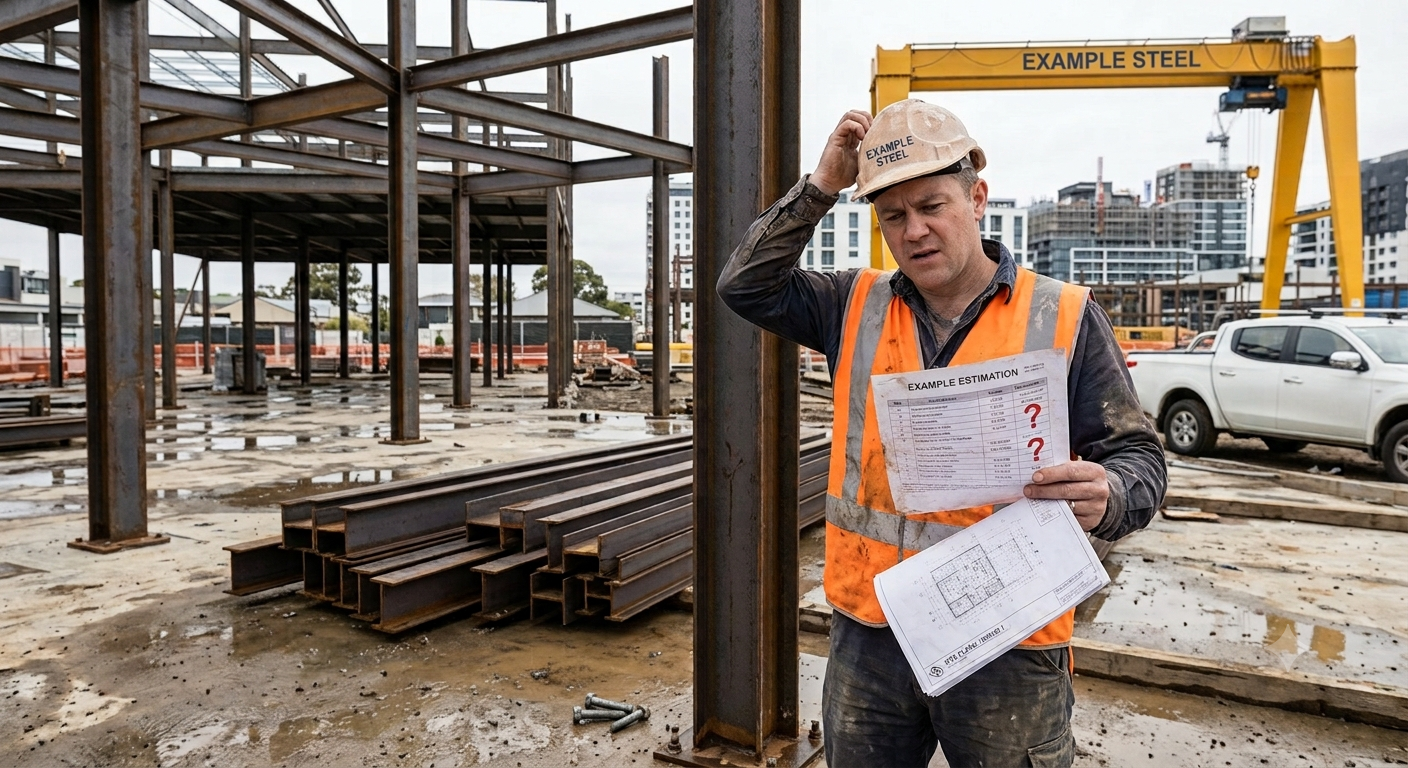
Steel takeoff errors are not random. They are predictable failure modes that recur across projects, which means they are also preventable. Here are the eight most common error categories with the specific disciplines and tooling that catch each one at the bid stage, when they are still cheap to fix.
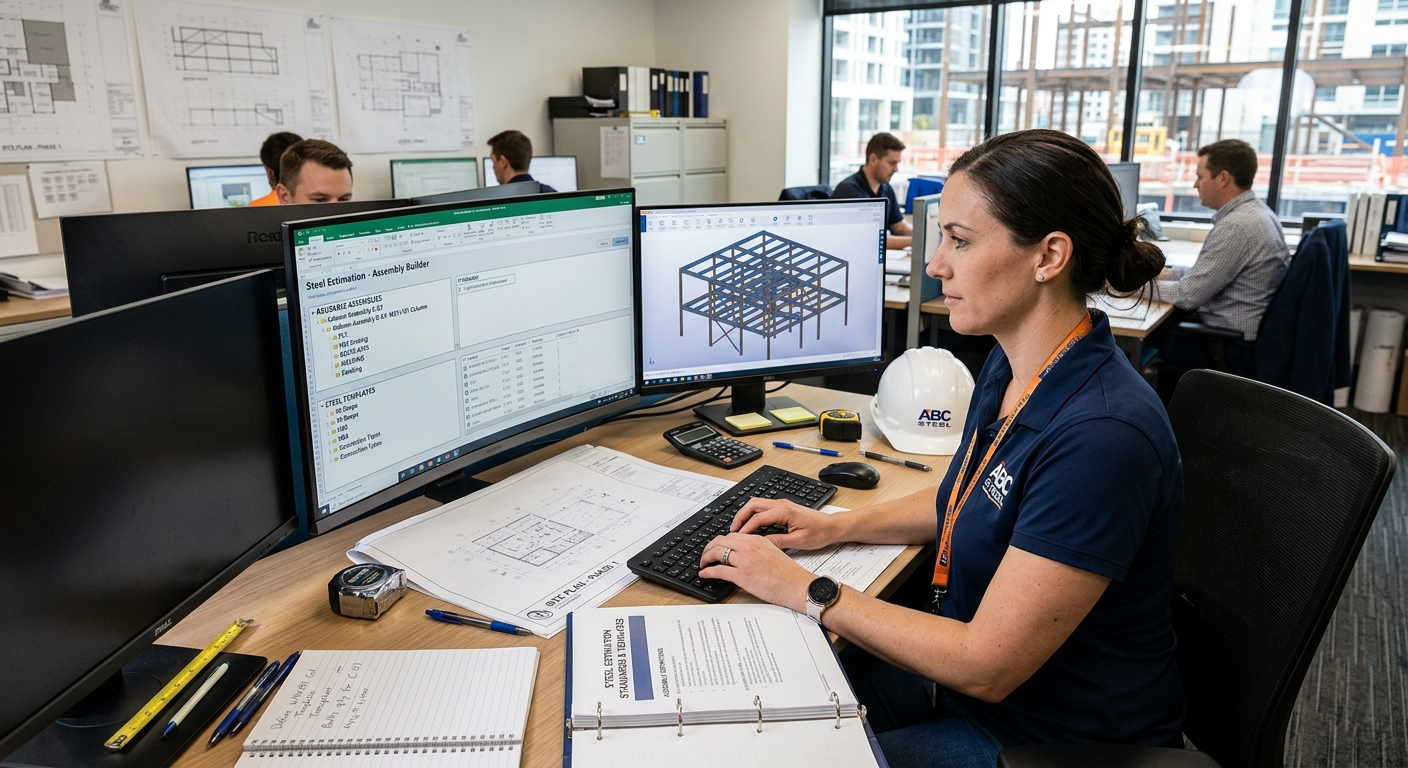
Every steel project has recurring elements. Standard connections. Common column configurations. Yet many shops rebuild these from scratch on every bid, losing hours to work they had already solved. Here is the five-step framework for building a template and assembly library that captures institutional knowledge, protects accuracy on recurring items, and compounds in value across projects.
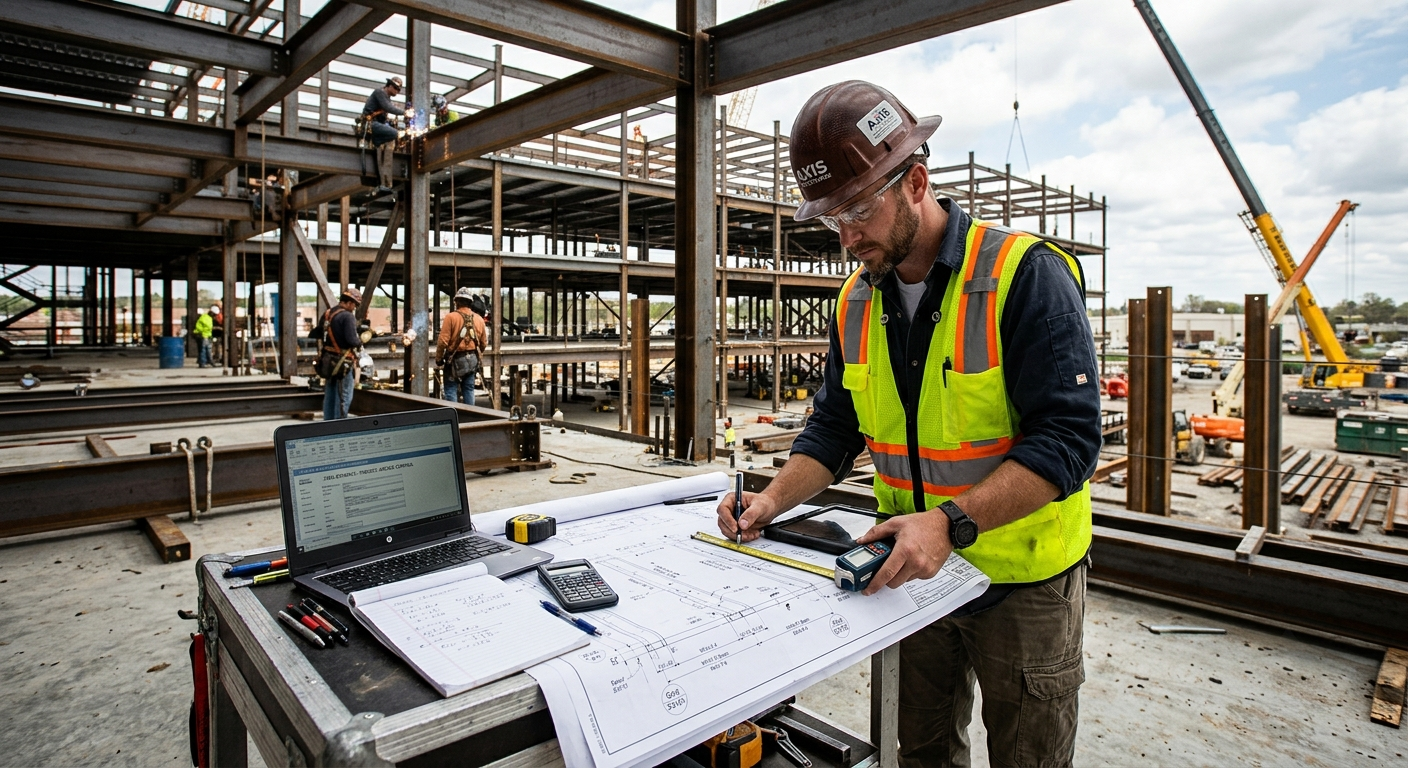
The old framing of "faster or more accurate, pick one" no longer matches what experienced estimating departments are doing in practice. Here are seven strategies that reduce cycle time while improving accuracy, anchored in AISC standards, peer-reviewed research, and what five SketchDeck customers documented when they actually rebuilt their workflows.
Two RFPs land at the same time. One promises bigger revenue, the other faster cash. Most estimators treat this as a choice between projects. The shops winning consistently treat it as a capacity problem with a structured answer. Here is the 2x2 priority framework, the 5-minute evaluation process, and how AI changes the underlying math when both bids could be won.
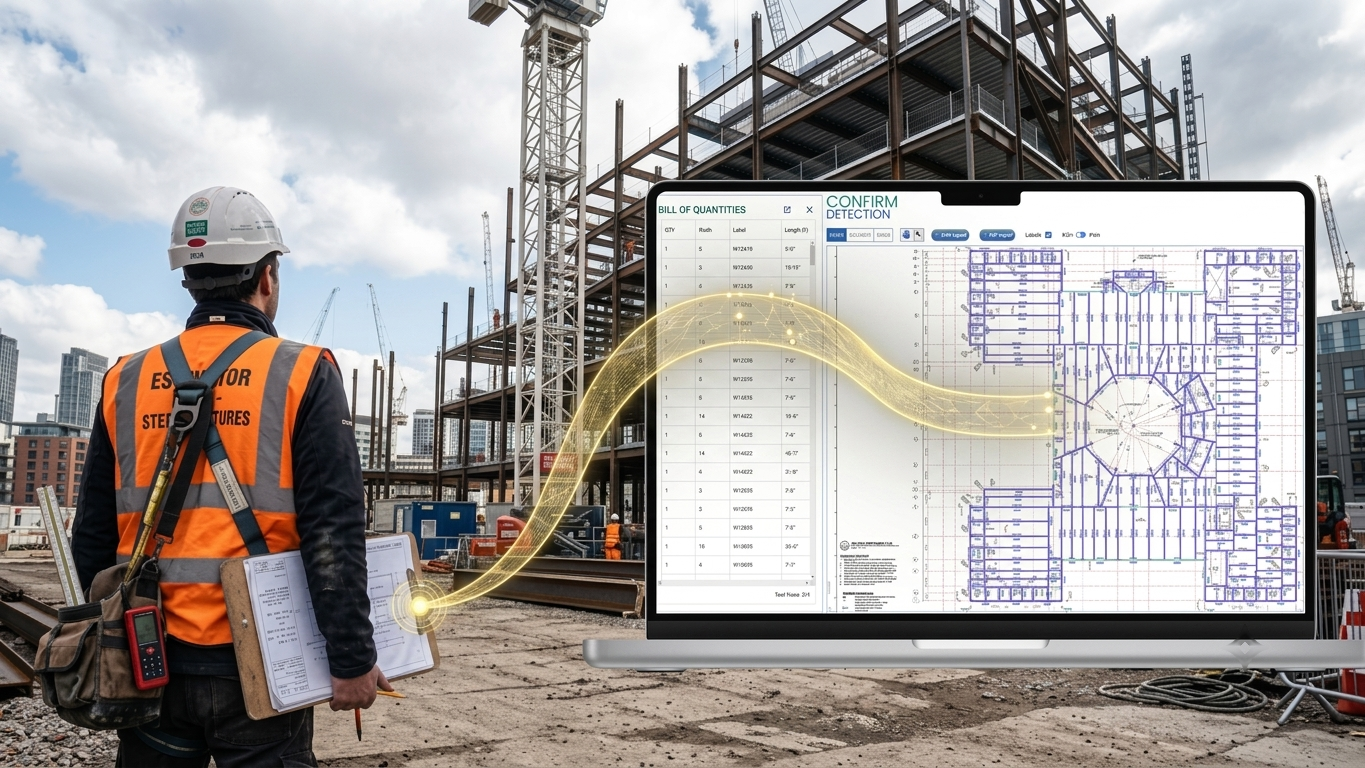
The estimators you would want to hire are aging out faster than they are being replaced. Modernizing estimating is no longer optional, but the transition itself is where most shops stumble. Here is the six-phase roadmap with parallel validation, realistic timeframes, and what Maccabee Industries documented over their four-month rollout.
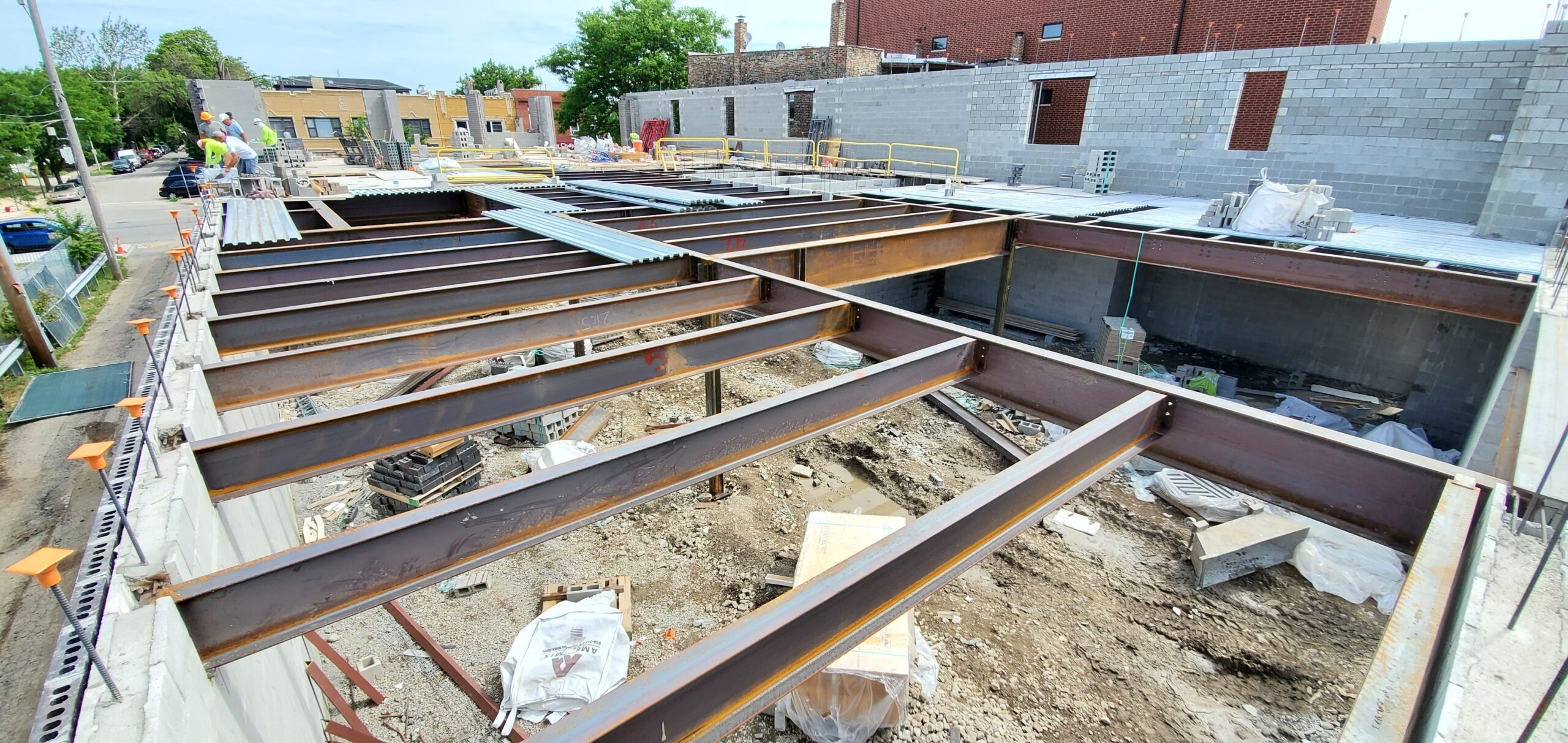
The most expensive estimates are the ones that should never have been bid in the first place. Here is the seven-stage workflow that qualifies opportunities early, runs structured verification through takeoff and pricing, and turns bid chaos into a repeatable process.
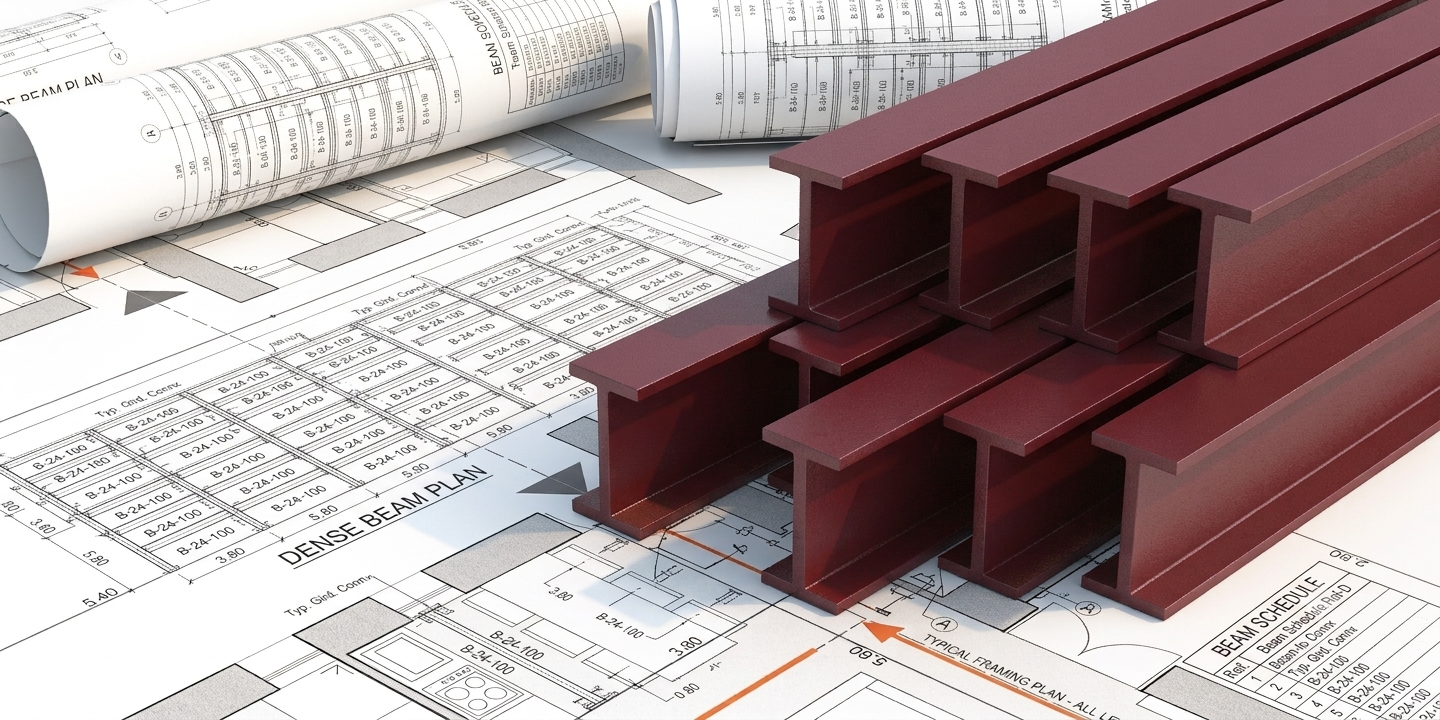
Construction rework averages 12% of project costs, and takeoff errors sit at the front of that chain. Here is the QA/QC framework experienced estimating departments use to catch errors at the bid stage, with the three-tier review process and the documentation that makes it stick.
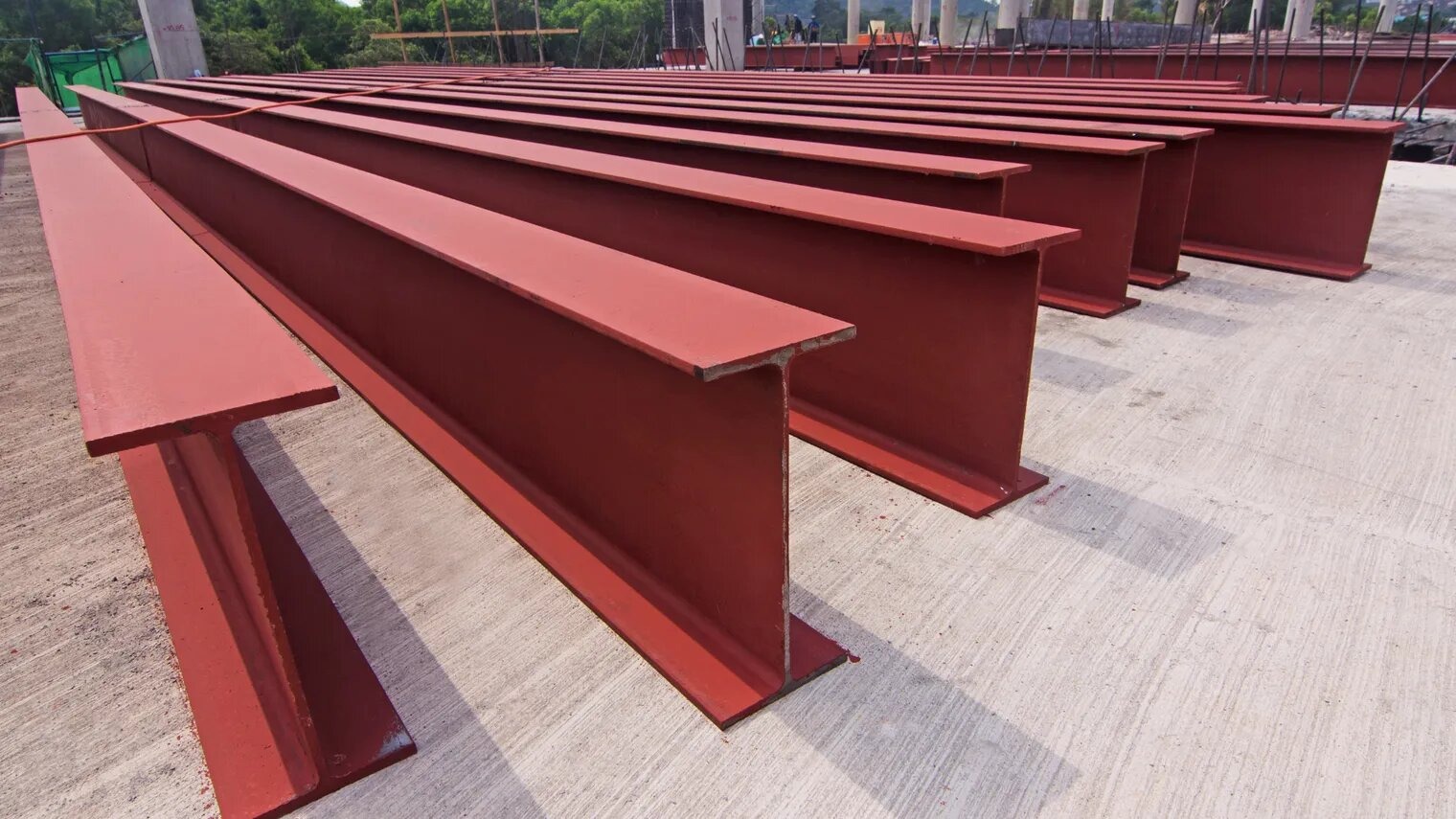
Material misclassification is the silent margin killer in steel estimating: wrong size, wrong grade, wrong miscellaneous quantity. Here is the framework built on AISC shape conventions and ASTM grade specifications, with the four-level hierarchy that turns classification from a source of errors into a source of accuracy.
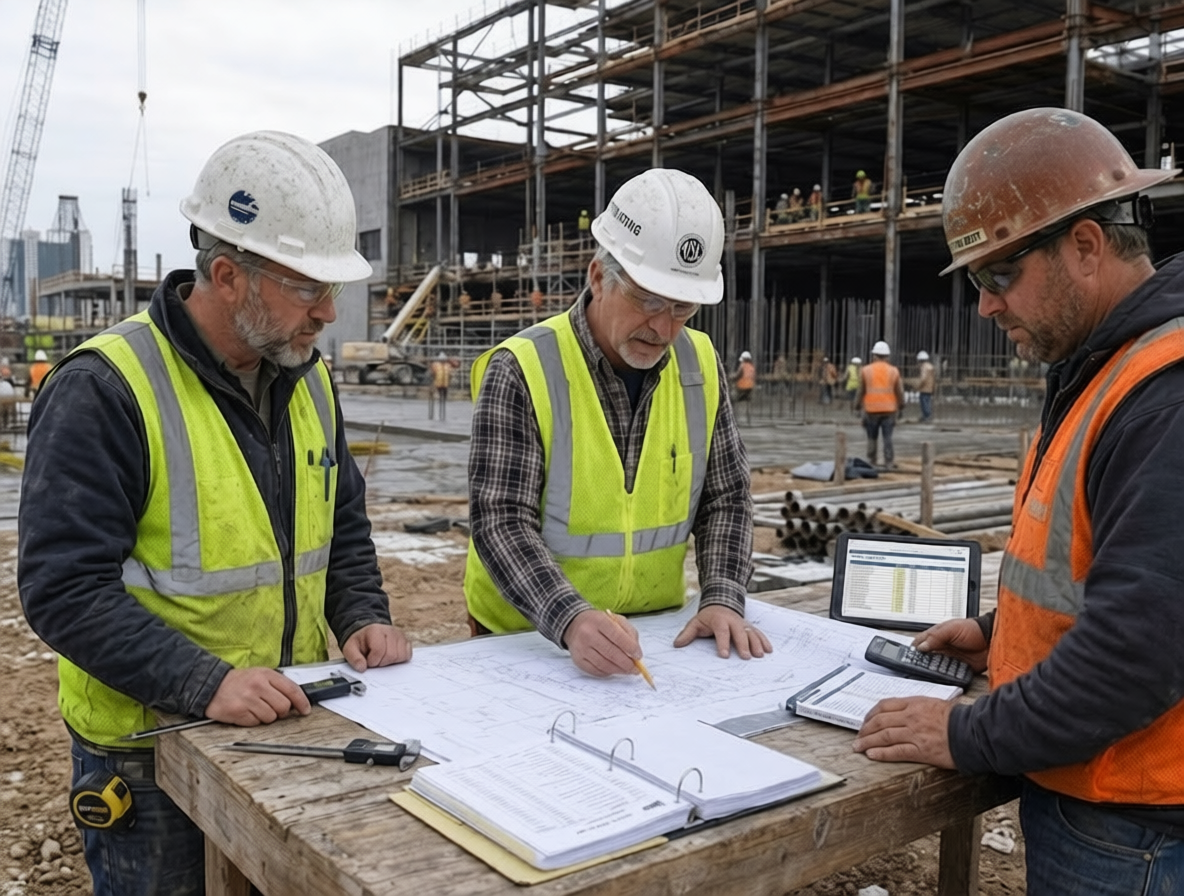
Every estimator has lost time to a file named "Final_FINAL_v3_USE THIS ONE." Disorganized takeoffs are not a discipline problem, they are a system problem. Here is the system: folder structure, naming conventions, version control, batch processing, and the handoff protocol that keeps a team from stepping on its own work.
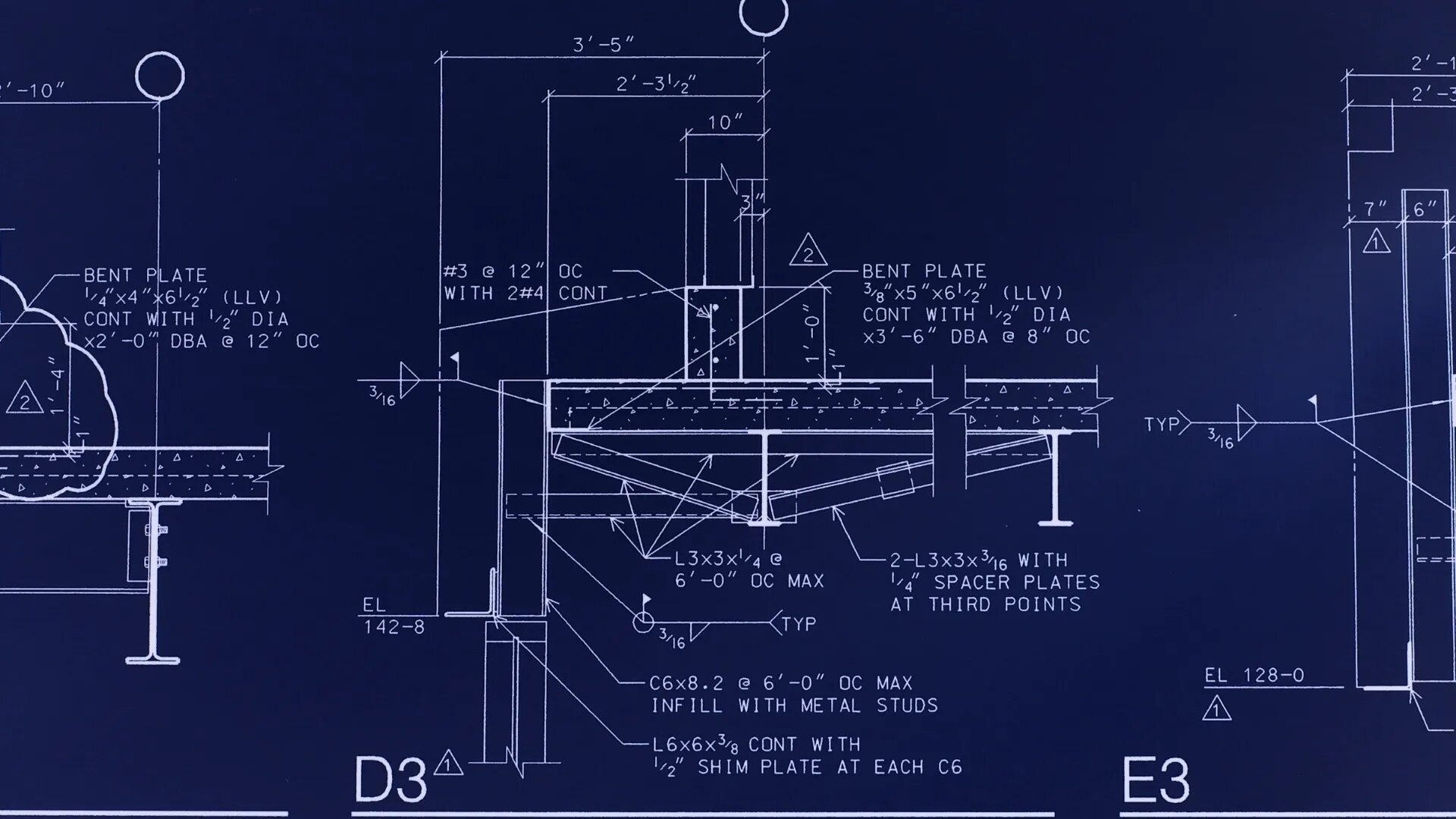
Connections carry a disproportionate share of fabrication labor and are where steel estimating accuracy lives or dies. Here is the three-phase systematic framework, anchored to AISC's authoritative connection design references, plus the three-layer review process that catches what visual takeoff misses.

Every hour spent on systematic verification can prevent thousands of dollars in fabrication and erection cost downstream. Here is the complete checklist experienced estimators use across pre-takeoff, primary steel, connections, miscellaneous items, and final review, grounded in AISC standards and rework cost research.
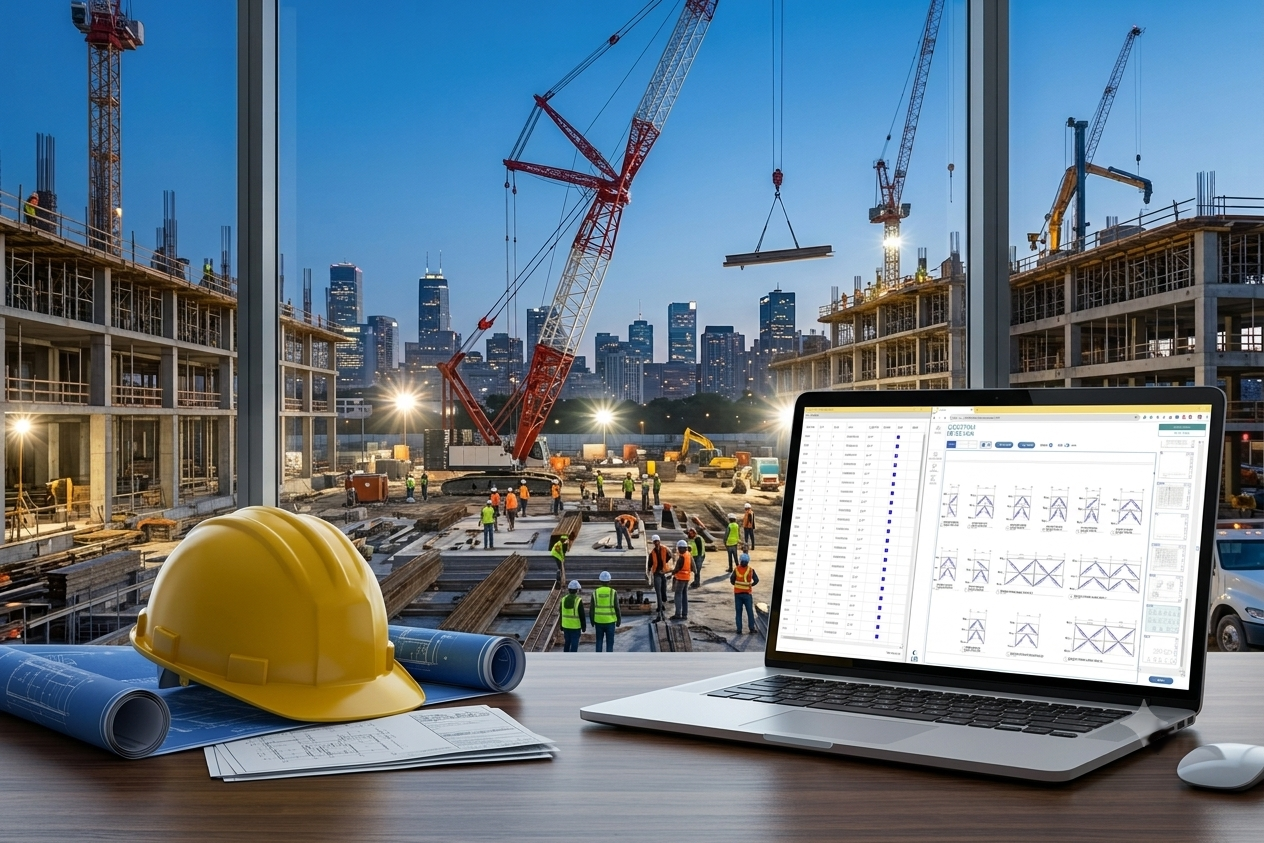
Ten practices that separate steel estimators winning consistently from those running on instinct alone. Each one is actionable in your next bid, anchored to industry standards and verified customer outcomes, and supported by AI tools that amplify estimator judgment instead of replacing it.
Gartner predicts 30% of AI projects get abandoned after the proof of concept. A disciplined 90-day pilot is the cheapest way to make sure you do not end up in that statistic. Here is the three-phase framework, the metrics that matter, and the week-by-week playbook for proving value before you scale.
VideoSketchDeck now lets you click and drag a revised drawing back into alignment with the original. When engineers shift the drawing position between revisions, the fix takes seconds.
The most dangerous AI error is the polished output that looks complete and is quietly wrong. Here's where AI fails in steel takeoff, why those errors are easier to miss than manual ones, and the QC checklist that catches them before they reach the bid.
Your drawings, your margins, and your customers' designs are the most sensitive data in the shop, and "is AI safe for it" has a real answer. Here is what NIST and SOC 2 actually require, the IP risks specific to AI tools, and the questions to ask any vendor, including us, before uploading a single drawing.
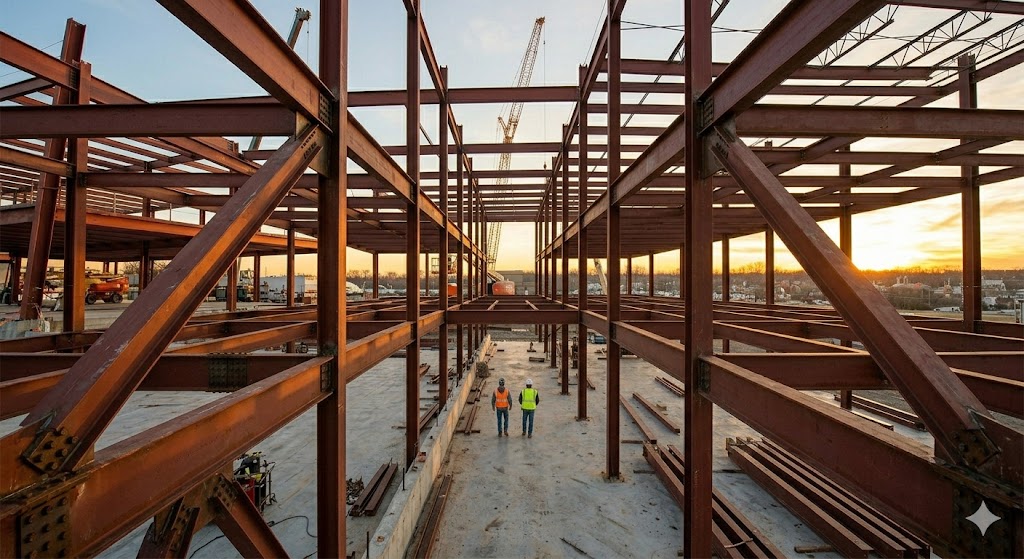
Manual takeoff can be highly accurate, right up until fatigue and deadline pressure degrade it. AI is consistent but shifts what can go wrong rather than eliminating it. The peer-reviewed answer is the hybrid: AI does the reading, estimators do the judgment. Here is the honest side-by-side, including where manual is still the safer call.
VideoUpload a revised drawing set and SketchDeck compares it against your finished takeoff. Every member gets marked as changed, added, or removed, with a hover summary showing exactly what moved on each one. Here is the full walkthrough plus the audit trail you can hand to your GC.
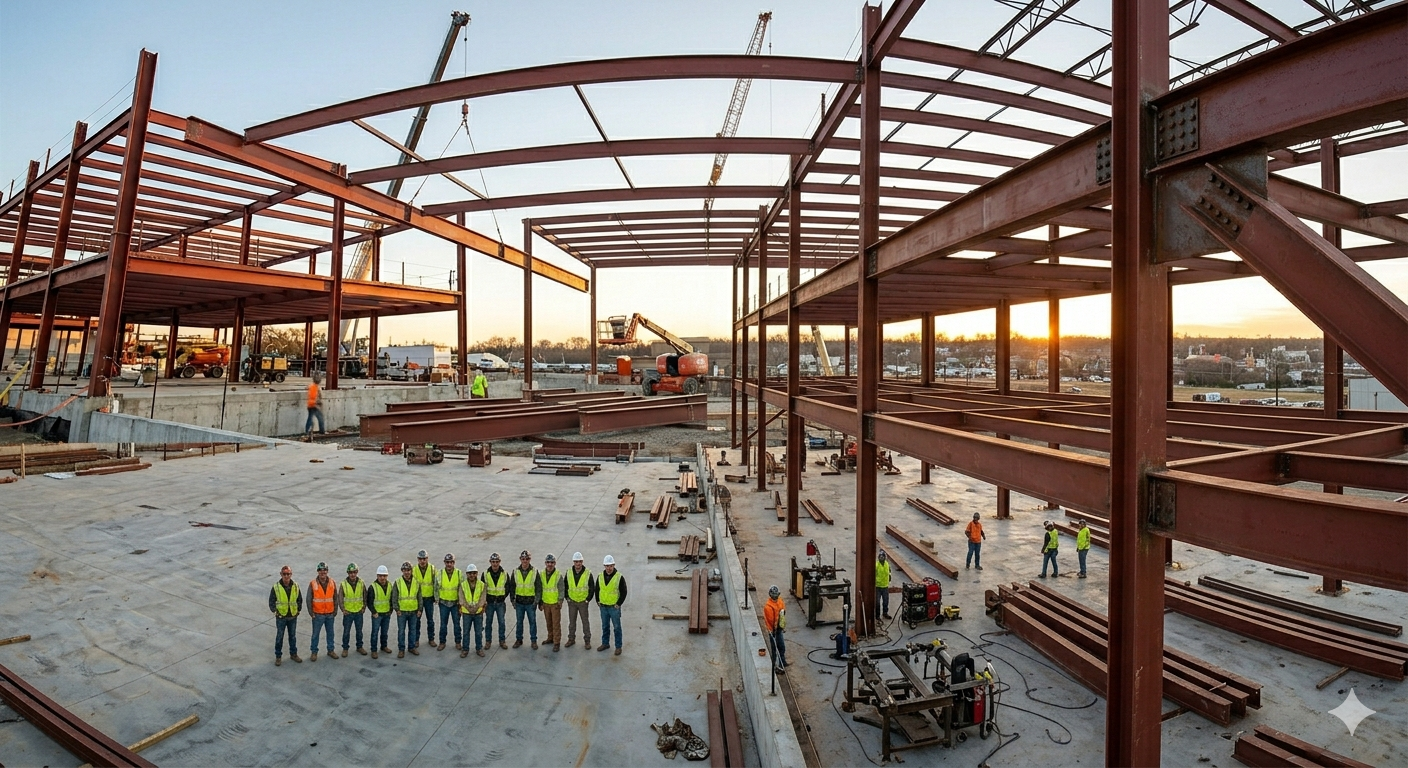
Stanford's research is clear: when AI augments work, employment grows. When AI replaces work, employment shrinks. Here's why estimating sits firmly in the first category, and how three SketchDeck customers used the partnership model to double bid capacity without cutting a single role.
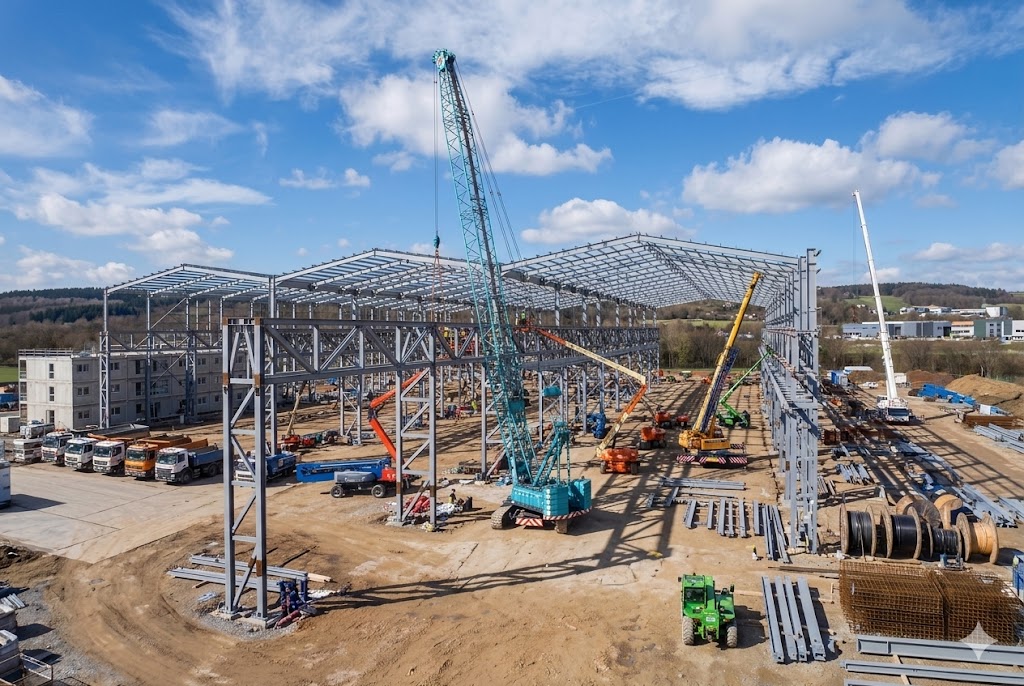
SSE grew from $8M to $40M in two years. MotionSteel doubled monthly bids. MSE recovered a full work week per estimator. Here's the seven-step framework to plug your own numbers into a defensible AI ROI calculation, with the math you can copy into Excel today.
The estimators you need to hire are aging out faster than they are being replaced. The shops that solve the capacity problem treat it as a tooling problem, not a hiring problem. Here is how MotionSteel doubled monthly bids, Maccabee reclaimed days from large takeoffs, and MSE got back a full work week per estimator, all without adding headcount.
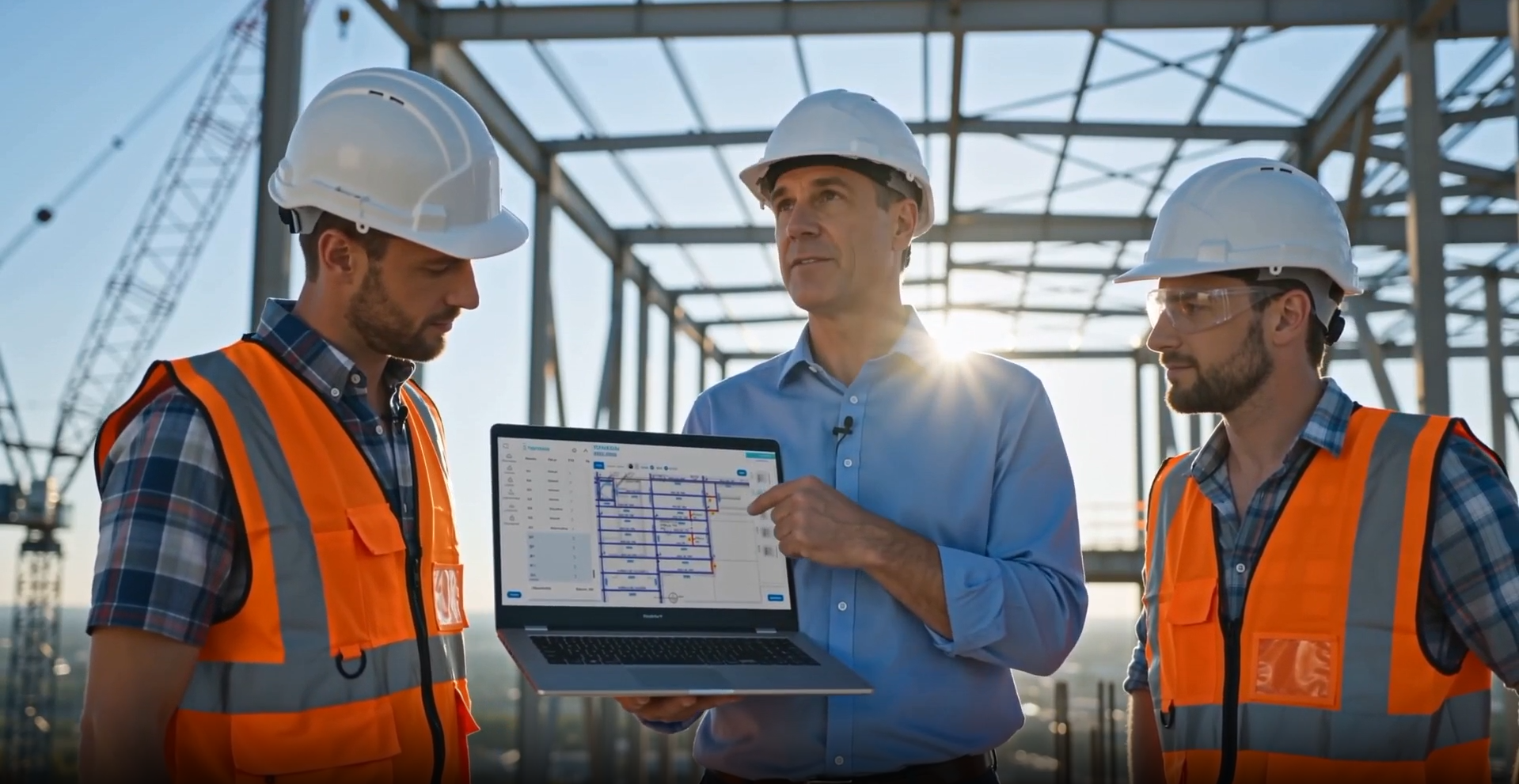
Yes, but only if you stop treating AI like a fully autonomous estimator. Here's what the human-in-the-loop research actually shows, what the accuracy numbers look like at named customers, and how to design a workflow that gets you both 95-99% accuracy and 50-80% time savings.

Estimating capacity is the bottleneck no one can hire their way out of. Here's how four steel fabricators turned the same headcount into 50-95% more output by putting AI at the front of their takeoff workflow.
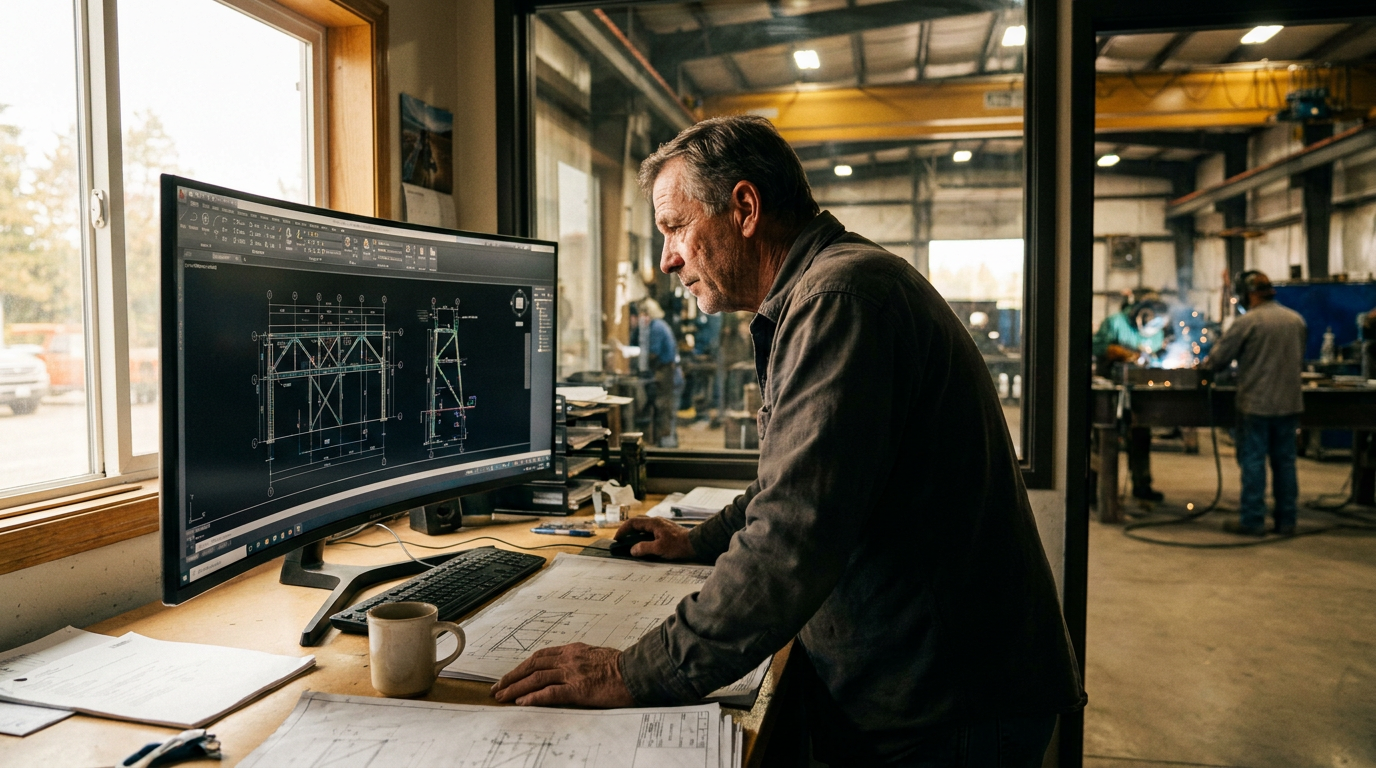
Most AI estimating evaluations fail the same way: a slick demo, a six-month rollout, and a tool nobody uses. Here's the framework SketchDeck customers use to evaluate vendors against their own drawings, not the vendor's samples, and decide in weeks instead of quarters.
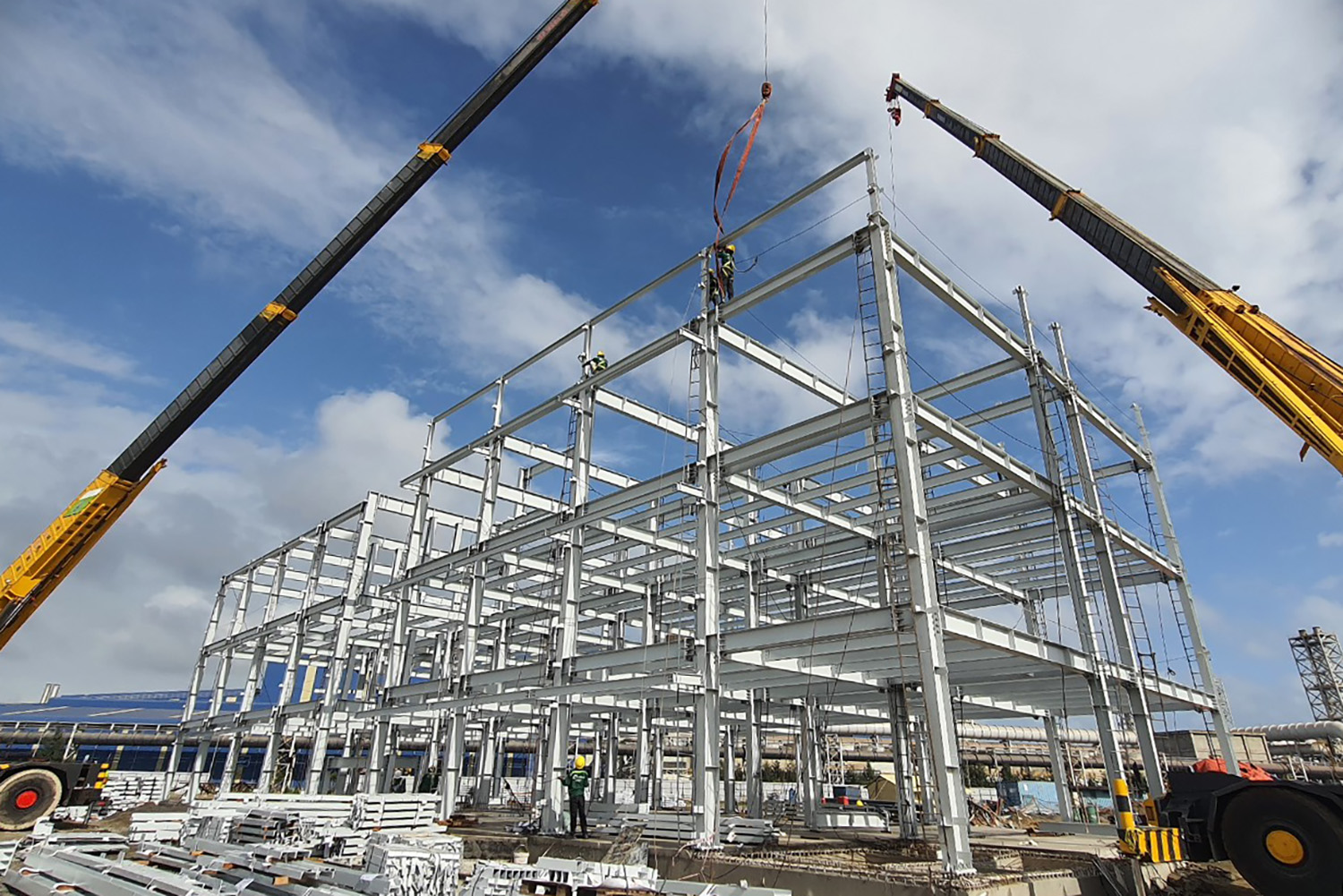
Your senior estimators aren't afraid of AI. They're afraid of becoming irrelevant. Here's the training playbook that turns skeptics into power users in six weeks, without losing a single estimator to the competition.
VideoThe Quantities Panel is where all your member data lives during a takeoff. By default it shows what SketchDeck detects automatically, but you can add custom fields, set defaults to skip repetitive entry, build dropdowns for consistent data, and apply automations that fill values based on rules. Here is the full walkthrough.
The cheapest line item in your estimating budget might be the most expensive part of your business. Here's where manual takeoff actually costs you: in labor hours, rework, lost bids, and estimator burnout, and what the math looks like when AI takes over the counting.
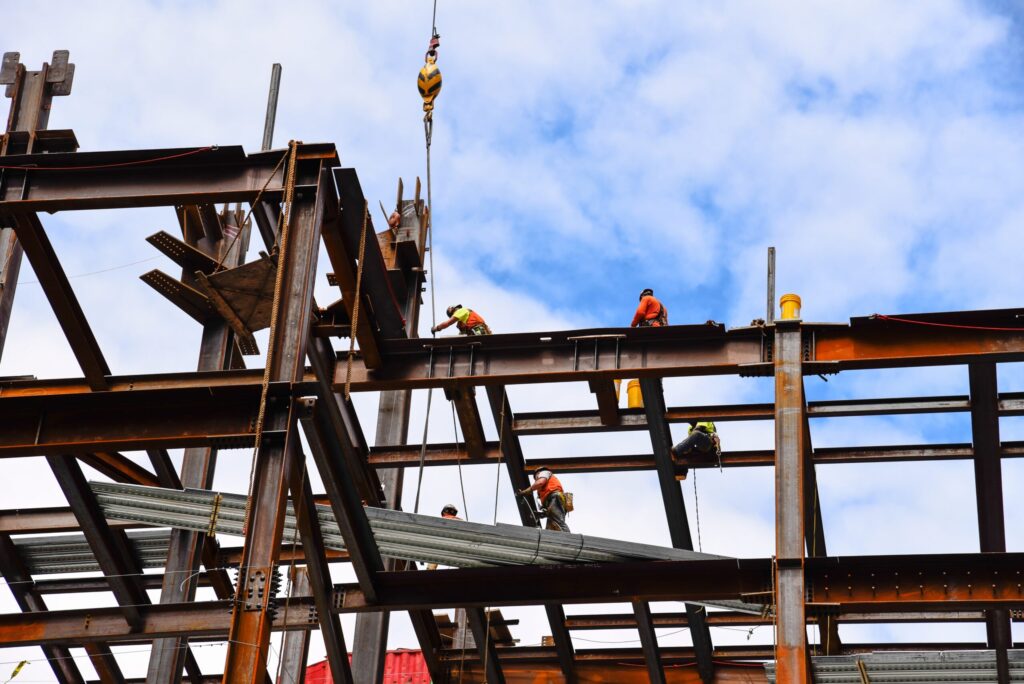
A hybrid approach to AI and manual review lets steel estimators get the speed of automation without giving up the control and judgment that win projects. The aim is to move repetitive counting and detection to AI while keeping estimators fully in charge of scope, risk, and final numbers.
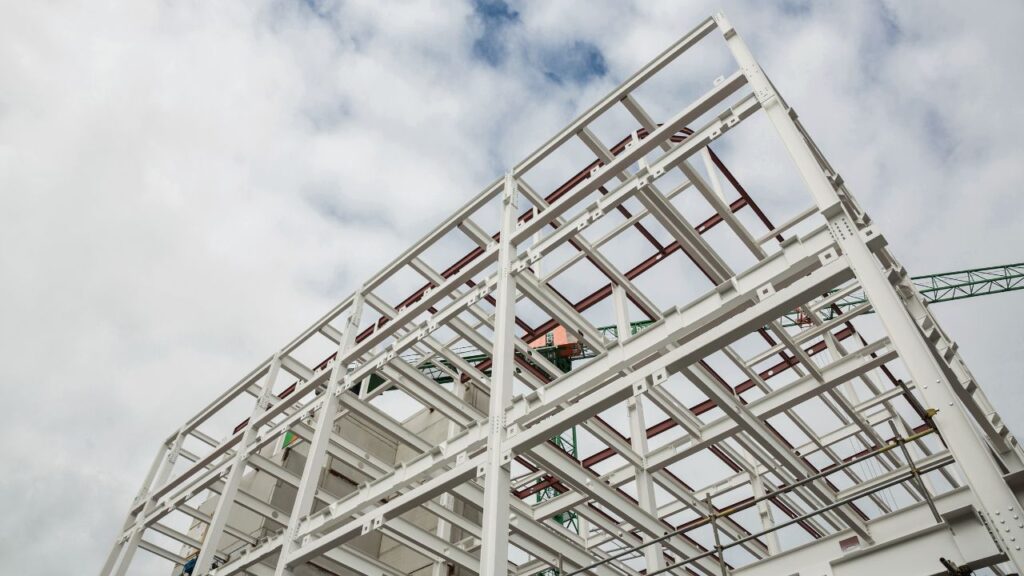
Getting estimators to embrace AI tools is mainly a change management challenge, not a technology problem. The barrier is rarely “can the software do this?” and almost always “does this make my job better or worse?”
When we started SketchDeck.ai, the goal was simple: take the most tedious part of a steel estimator's day and give those hours back. Hundreds of estimators later, SketchDeck is doing exactly that. Our customers are turning around bids faster, staying consistent across estimators, and winning work they wouldn't have had time to chase before.
Revisions have been the number-one request from our customers for over a year. Today, we're shipping the feature that addresses them.
We’ve been listening. The features our customers have asked for most are coming to SketchDeck, and NASCC is where you’ll see them first. We’re not ready to share all the details yet, but if you’ve ever wished SketchDeck could do more with revisions and addenda, you’ll want to stop by.
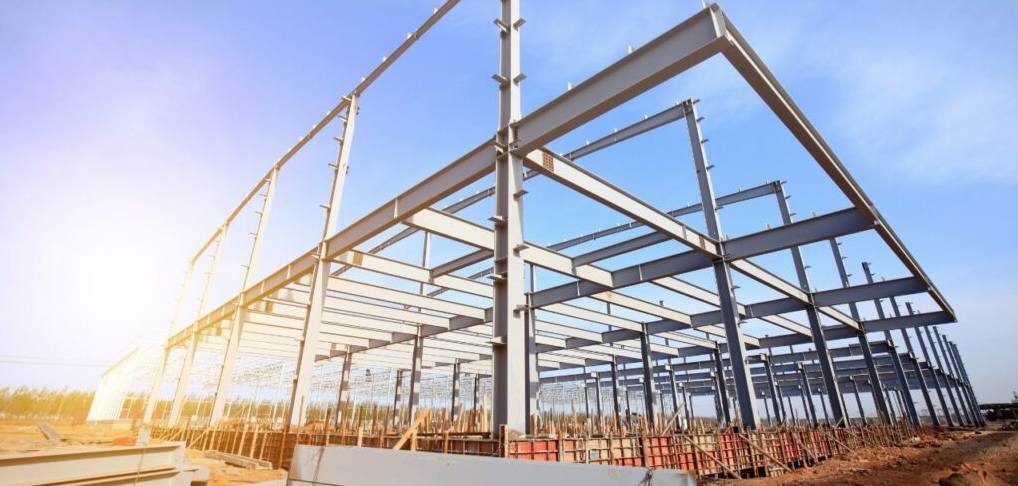
Steel estimators are under pressure to bid faster without breaking the Tekla, Strumis, and Excel workflows they rely on every day. Modern AI estimating tools now plug directly into those existing systems, automating takeoff while preserving your review process, pricing logic, and team control. This article shows how AI integration actually works in real steel fabrication shops—and how to tell if your workflow is ready.
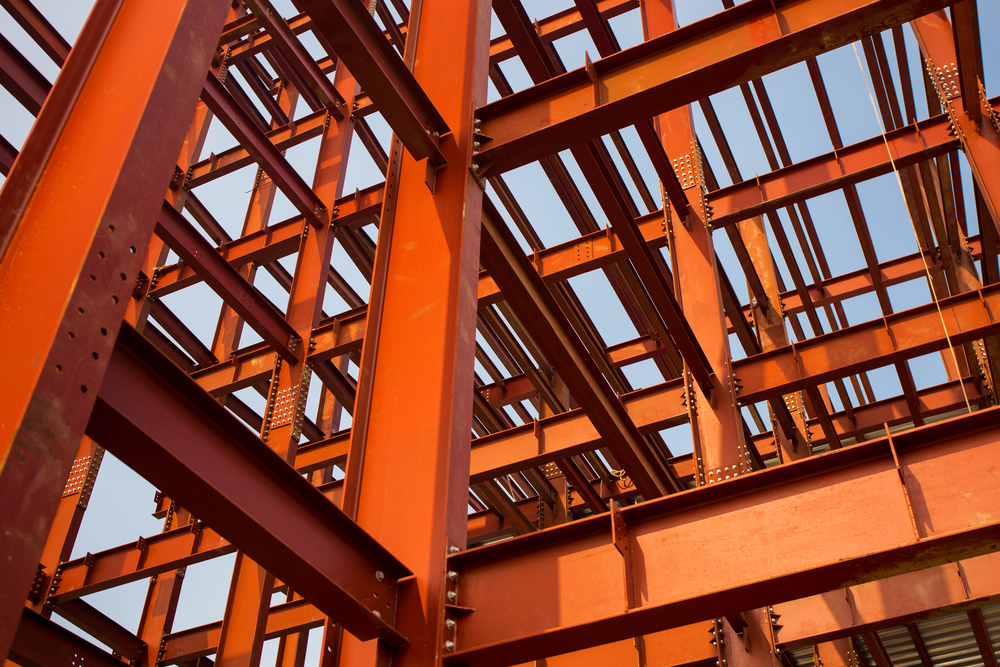
Steel fabrication is changing faster now than it has in decades. Manual counting steel is time-consuming. Missing critical details on estimates can be a costly mistake. Limited time for more bids stops you from winning more work. These pain points that estimators face daily are now colliding with broader industry forces: labor shortages, an aging workforce, supply chain disruptions, technology acceleration, and regulatory complexity.
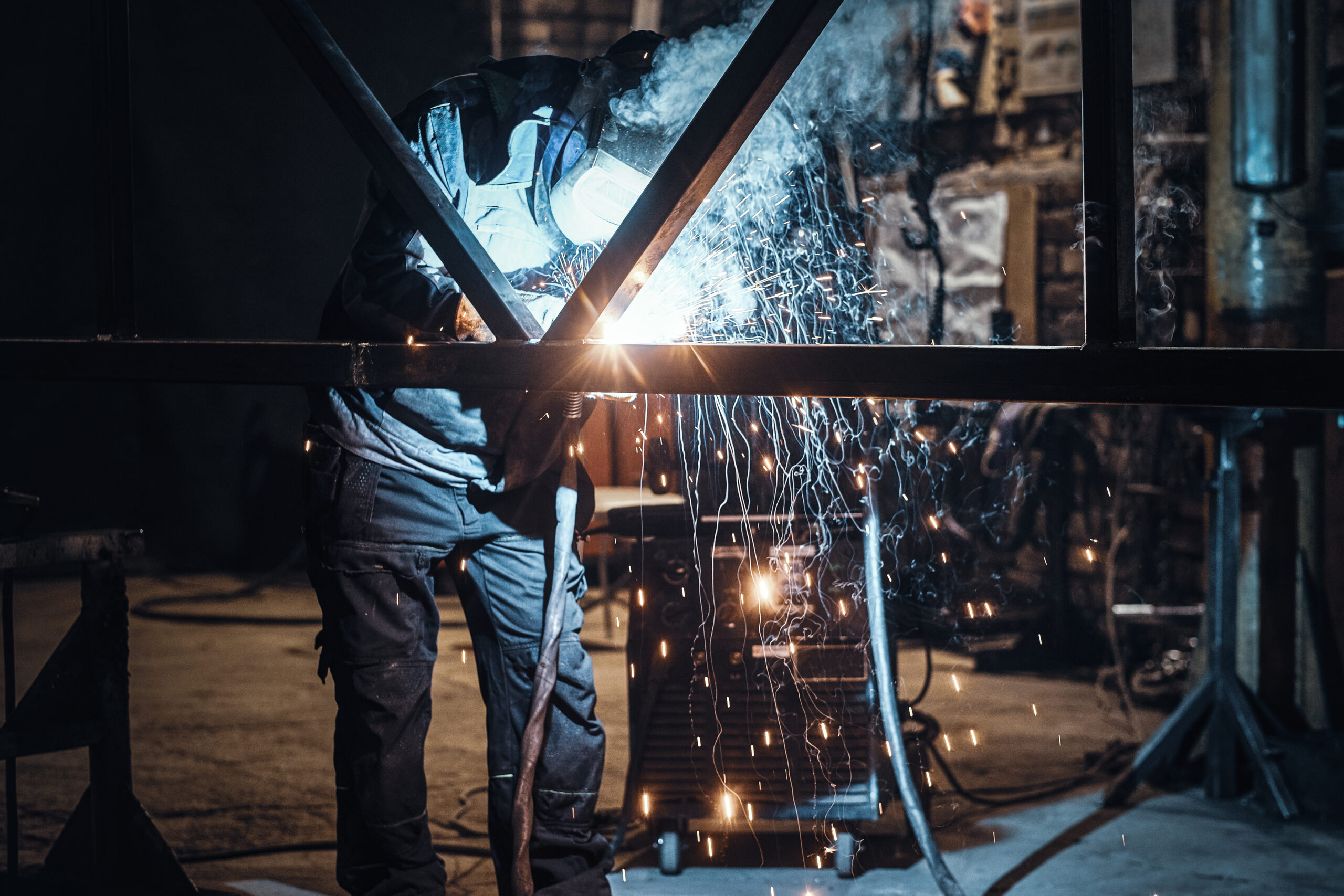
You have shop capacity. Your welders are not maxed out. Yet your revenue has plateaued. The fabricators winning in 2026 are not working harder, they are addressing the right constraint. Here is the diagnostic framework, the five core growth strategies, and the enabling capabilities required to break through plateaus and build sustainable competitive advantages.
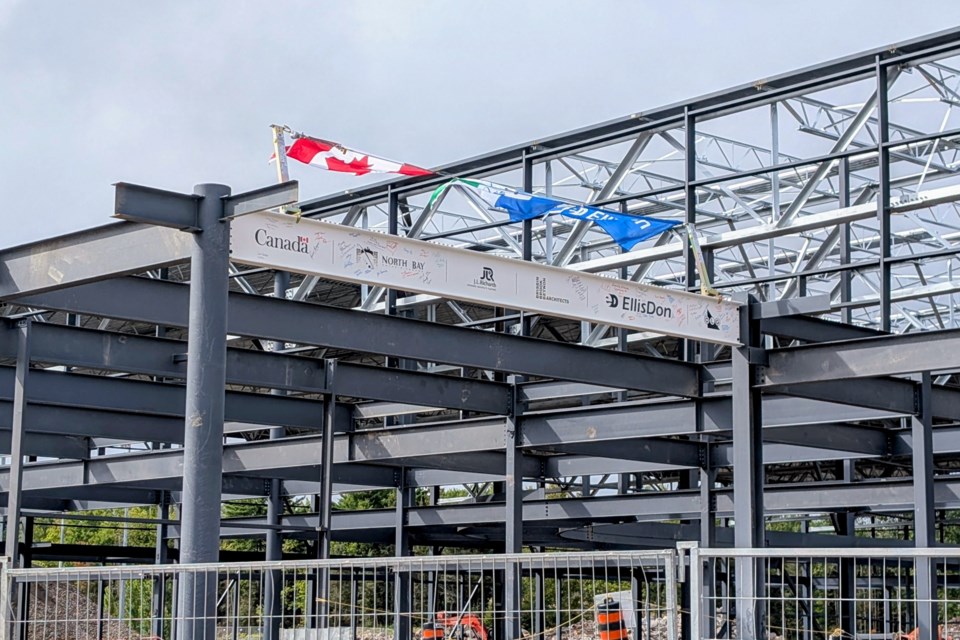
Steel estimators spend 40% of their week counting beams and measuring connections from construction drawings. What if AI could handle this repetitive work in minutes instead of hours?
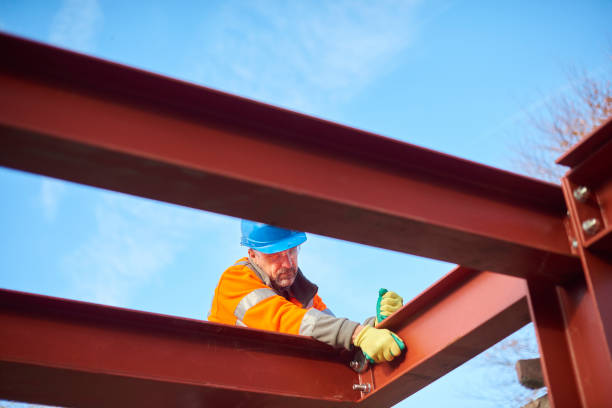
Steel fabricators are hitting a hard ceiling not in their shops, but in their estimating rooms, as a shrinking estimator workforce, overloaded bid desks, and faster-moving competitors converge into a true steel estimating capacity crisis. This article unpacks how labor shortages, throughput constraints, and bid-speed expectations reinforce each other, and what leadership teams can do to break the cycle before it quietly caps their next decade of growth.

Your estimating department is probably your biggest capacity constraint. The limiting factor usually is not estimator skill, but workflow design that determines how much work can move from RFP to submitted bid in a given week.
 Video
Most teams know SketchDeck for automating member takeoffs, but that is just the starting point. Weights, copes, holes, moment connections, framing codes, and custom labor codes all populate automatically too. Here is the walkthrough of where the hours actually disappear after the initial count is done.
 Video
More accurate AI detection. New schedule support. Less manual cleanup. Here’s what’s changed inside SketchDeck, and what it means for your next bid. If you’re already using SketchDeck to power your steel takeoffs, you’ve probably noticed things getting a little smoother lately. That’s not by accident.

AI systems read structural steel drawings in a fundamentally different way than human estimators, and that difference is exactly why they are so effective at automating takeoff without replacing judgment. This article explains, in practical terms, what those systems actually “see,” where they excel, and where you still need a human estimator in the loop.
Steel estimating is more than just calculating material costs. It's the foundation of profitability for steel fabrication shops. Your estimating accuracy and speed directly impact your win rates, protect your margins, and determine how much work your team can handle without burning out.
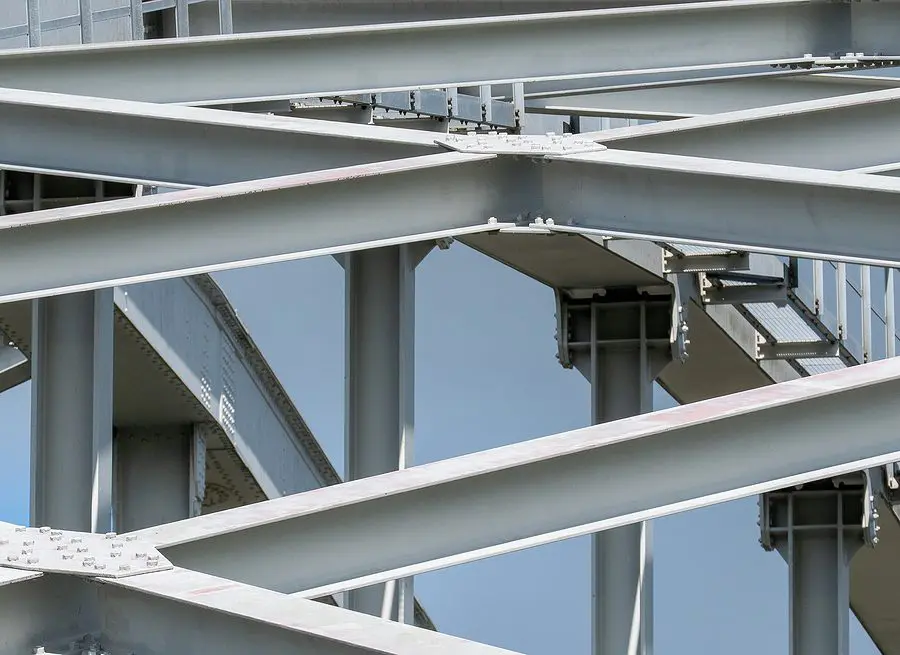
SketchDeck's machine learning engine that learns from every messy structural drawing to deliver faster, more accurate steel estimates over time.
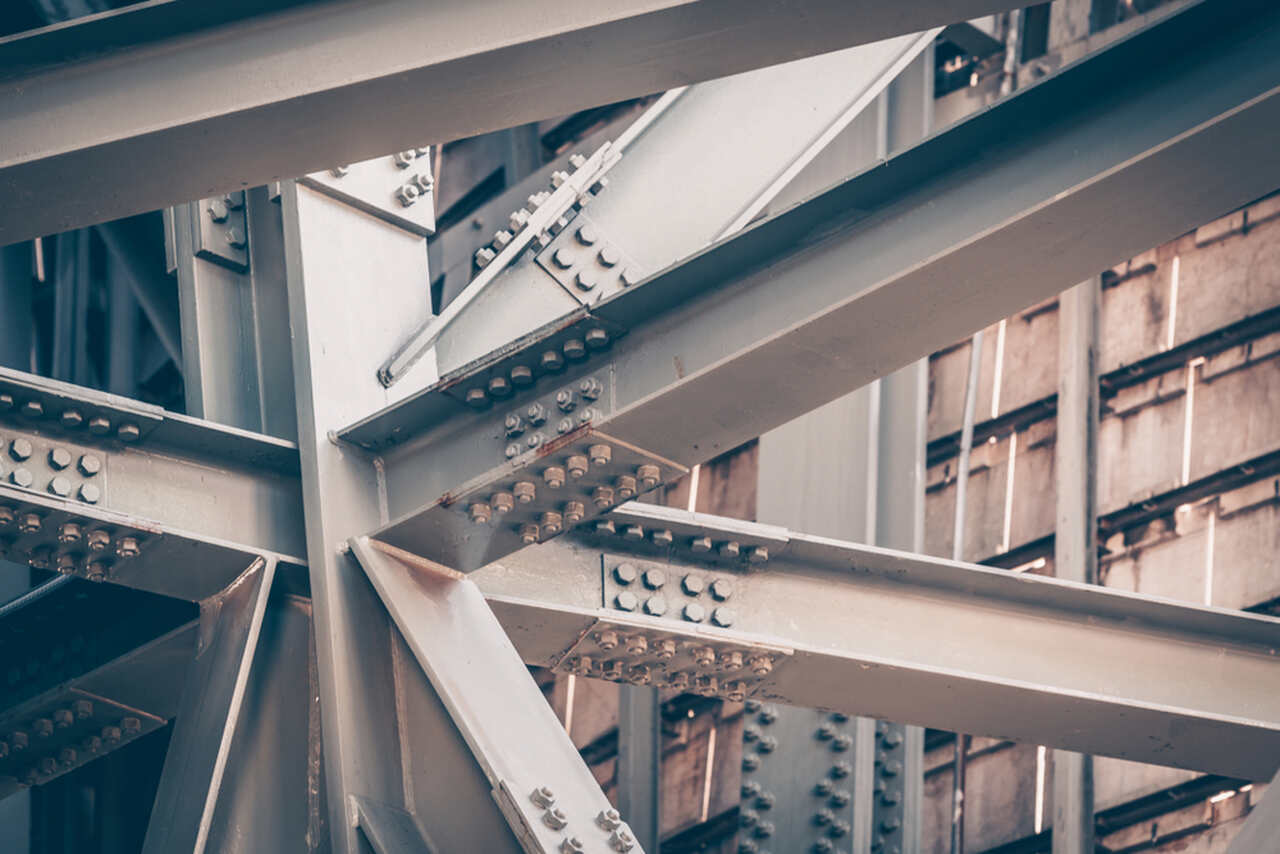
How AI steel takeoff tools close the accuracy gap that legacy “auto-count” software leaves behind, so estimators can trust their quantities and protect margins.
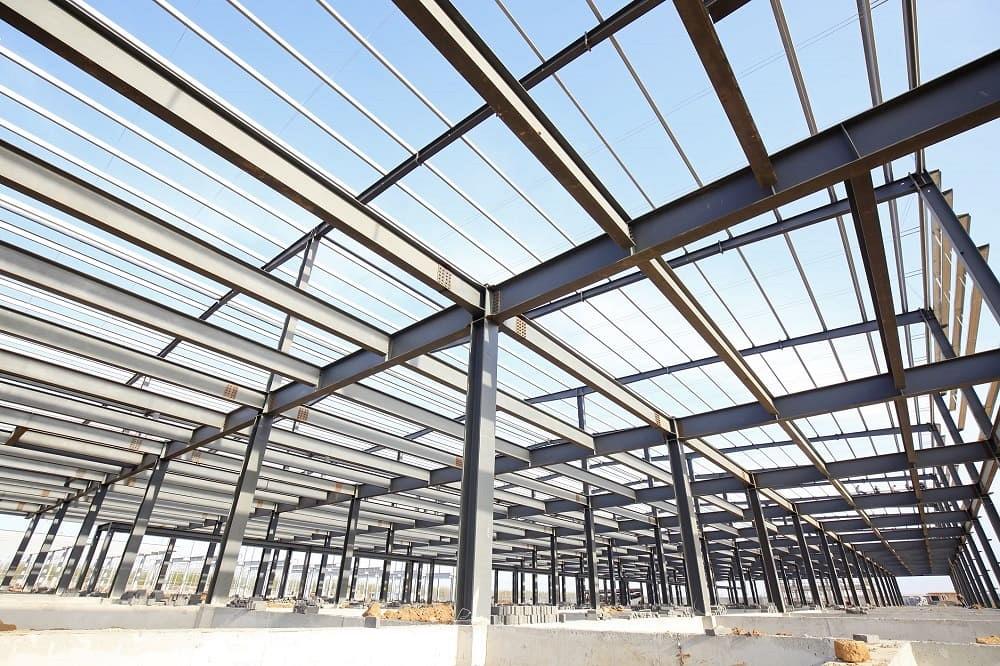
AI is now part of almost every estimating software pitch. Some vendors imply it will “take over” your takeoff. Others quietly bolt an AI label onto old automation features. For steel fabricators, the result is confusion and, in some cases, disappointment when tools don’t match the marketing.
 Video
Discover how SketchDeck, our AI-powered steel estimating software, automates takeoffs, connection analysis, and exports to other steel estimating tools like Tekla PowerFab and Bluebeam. Go from PDF to takeoff in minutes with greater speed and accuracy..
I just read that MIT found 95% of AI investments are producing zero returns. Yes, zero. That's a shocking number, but honestly, it doesn't surprise me.
The structural steel industry operates on precision and speed. Yet most fabrication companies have never calculated the true cost of their manual estimating processes. While everyone tracks material costs down to the penny, the financial impact of traditional takeoffs remains largely invisible until you see what AI construction estimating software can reveal.
Steel estimators are drowning in manual takeoff work. Stadiums, Institutional buildings, Multistory buildings, data centers, and large structural steel structures can take days or weeks to complete manually. The result? Burnout, missed deadlines, and lost bidding opportunities.
Manual takeoff processes limit estimating capacity while smart competitors using AI software triple throughput and win more bids. Discover how in this blog.
Steel fabrication is changing faster than most companies realize. Companies that embrace AI construction estimating software are leaving their competition behind, while others struggle with the same manual processes.
AI-powered automation is revolutionizing steel fabrication estimating by reducing takeoff time by 50-75%, helping companies overcome workforce shortages and win more bids in an increasingly competitive construction market.
Check out our recent feature in Modern Steel Construction's Hot Products lineup for 2025.
SketchDeck.ai Featured in The Fabricator: Driving AI Innovation in Structural Steel We're thrilled to announce that our Head of Product, Grayson Ingram, was recently featured in The Fabricator magazine's coverage of NASCC 2025: The Steel Conference in Louisville, Kentucky.
Fabricators discuss how implementing Al has improved productivity and share their experiences working with steel-specific Al.
The steel industry is increasingly turning to Al as one way to help improve efficiency and tackle problems.
A look at the SketchDeck features shipped in Q2 2024: automated connection codes, a pop-out quantities panel, copy, paste and undo, and preset multi-page scaling.
The NASCC (North American Steel Construction Conference) in San Antonio was a thrilling event for all attendees, especially those interested in the intersection of artificial intelligence and the steel industry.
Daniel Kamau (’20 MBA) graduated into a challenging environment but saw an opportunity to start his business – SketchDeck.ai
No articles match. Try a different word, or .
Follow SketchDeck.ai on LinkedIn for new posts, or subscribe to the RSS feed.